THE FIELD & THE RECORD
Agincourt 1415
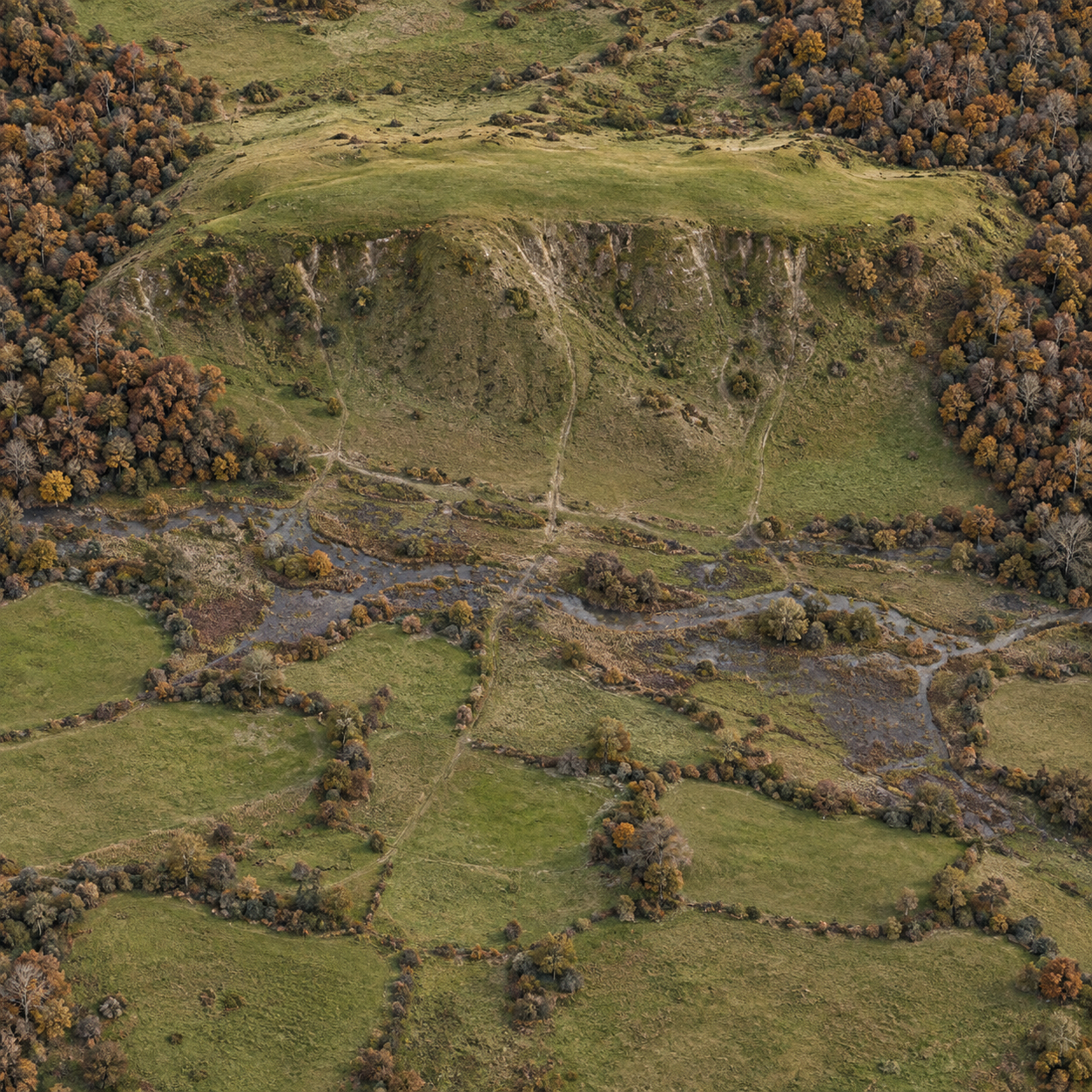
Mud, wooded flanks and a restricted frontage shaped Henry V’s victory. Learn why the field rewards a controlled, supported advance.
25 October 1415 Near Azincourt, Artois, France
Play this battlefield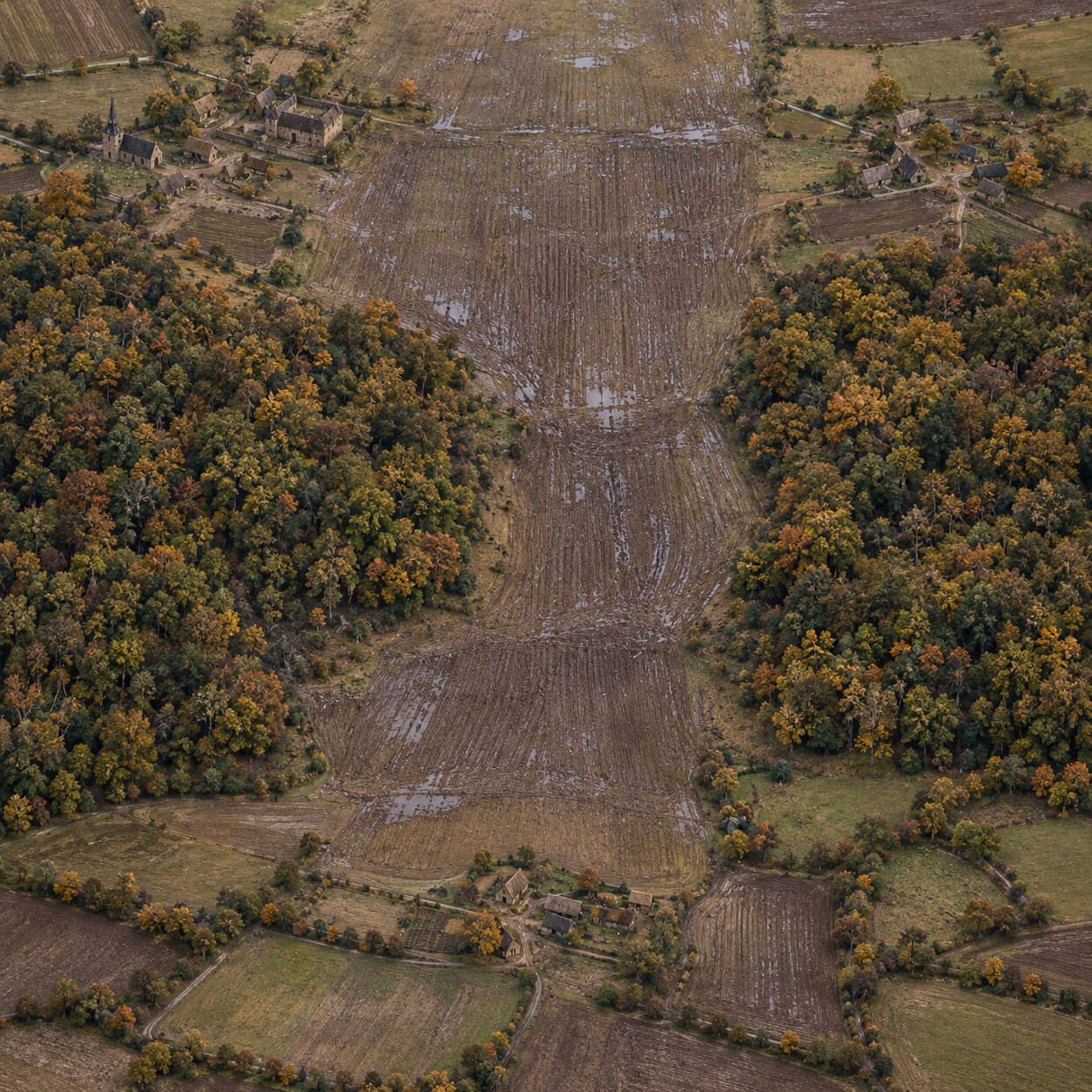
01 / WHAT HAPPENED
The battle and the field
- Opposing forces
- Henry V’s English army against French royal forces led by Charles d’Albret and other great nobles.
- Outcome
- English victory, with heavy losses among the French nobility.
After taking Harfleur, Henry marched towards Calais with an army worn down by the campaign. French forces blocked his route near Azincourt. English archers moved forward and used stakes to protect their position. Mounted attacks and the advance of French men-at-arms failed to overwhelm the English line, and the fighting developed into a close struggle. [1] [2]
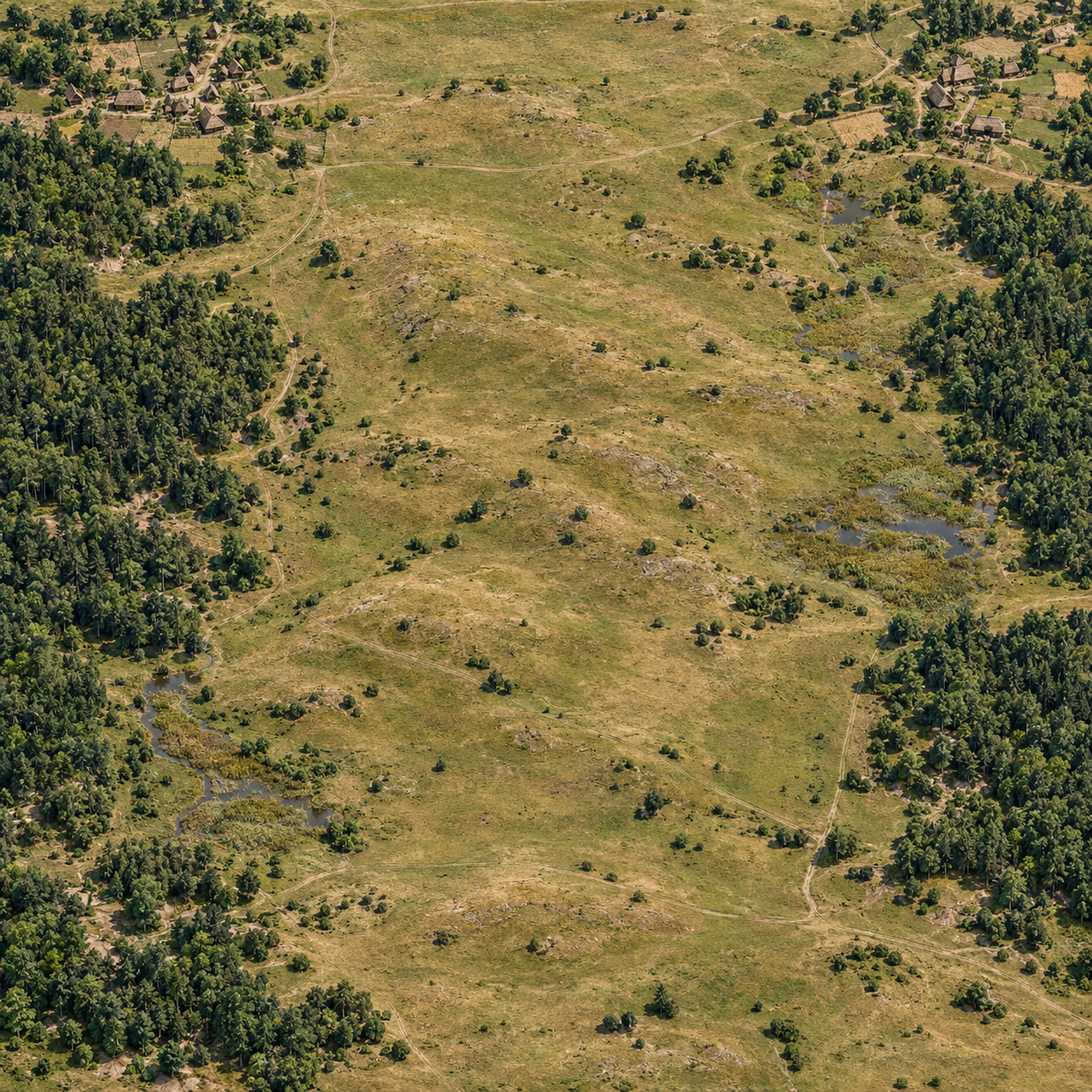
Rain had made the cultivated ground difficult to cross. In the traditional interpretation, woods beside Azincourt and Tramecourt narrowed the usable frontage. Numbers alone therefore did not translate into freedom of manoeuvre: men advancing towards a smaller position could become crowded, while archers could join the close fighting. The result depended on leadership and deployment as well as the ground. [1] [2]
02 / READING THE RECORD
What history can tell us
The game follows the traditional wooded-field interpretation, rather than claiming exact medieval woodland boundaries or army positions. Chroniclers disagree about numbers. Monstrelet was a contemporary Burgundian writer, not an eyewitness at Agincourt; his account and the English eyewitness Gesta Henrici Quinti should be read with their different loyalties in mind. [2] [3]
03 / CONTEMPORARY VOICE
Words from the period
“much fatigued and oppressed by cold, hunger, and other discomforts”
Contemporary chronicler, writing later and not an eyewitness to this battle. Thomas Johnes’s English translation, 1840, chapter CXLV. This passage concerns the English army’s condition.
04 / COMMANDER’S OVERVIEW
Advantages, difficulties and a plan
The following is tactical advice for this game map. Historical terrain informs the scenario; the numerical effects are game rules.
Muddy central corridor
Advantage
A steady defence can force the enemy to spend movement reaching it.
Difficulty
Soft ground costs every unit extra movement; mounted charge bonuses are removed.
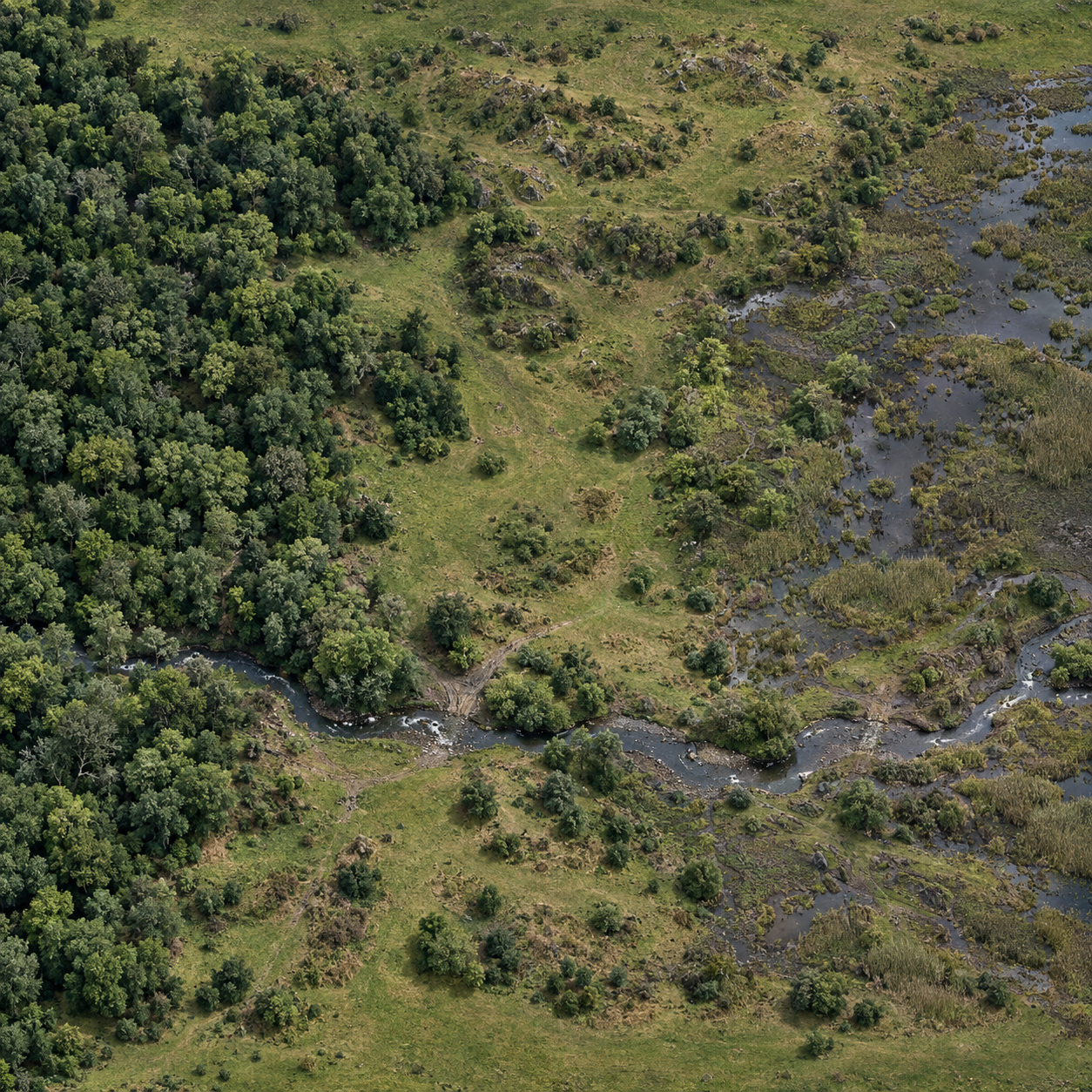
Wooded flanks
Advantage
The woods constrain encirclement and screen troops from shots through them.
Difficulty
They also obstruct your missiles. Keep archers’ firing lanes clear of the woodland.
Heavy rain setting
Advantage
A slower enemy advance gives you time to arrange a supported line.
Difficulty
Foot Move falls by 1 and mounted Move by 2, to a minimum of 1; a charge needs a four-square run.
Your opening decisions
Plan around slow movement. Give missile troops clear lanes and keep infantry close enough to support them when contact comes. If attacking, use several mutually supporting companies instead of feeding one isolated formation into the narrow front. Heavy armour does not remove movement penalties.
History and the game map
The game fixes Heavy rain throughout play, while historical accounts emphasise the rain before the battle. The map is stylised and does not add deployable archers’ stakes or recreate the historical armies automatically.
05 / FOLLOW THE EVIDENCE
Historical references
Quotations are short extracts. Attributions identify the account’s date and viewpoint; a contemporary author is not necessarily an eyewitness. References checked 31 October 2026.
- Musée de l’Armée — The battle of Agincourt
Museum overview of the campaign, archers and muddy ground; numerical estimates are not used here as settled facts.
- Helen Castor — Agincourt or Azincourt? (Gresham College, 2015)
Historian’s lecture and transcript on terrain, tactics and the French political setting.
- Enguerrand de Monstrelet — Agincourt campaign extracts
Contemporary chronicle in Thomas Johnes’s 1840 translation, hosted by De Re Militari.
Further reading: Agincourt 1415 on Seven Swords ↗