THE FIELD & THE RECORD
Bannockburn 1314
Woodland, burns and confined approaches favoured cohesive infantry. Explore the evidence and the limits of a cavalry advance.
23–24 June 1314 Approaches to Stirling, Scotland
Play this battlefield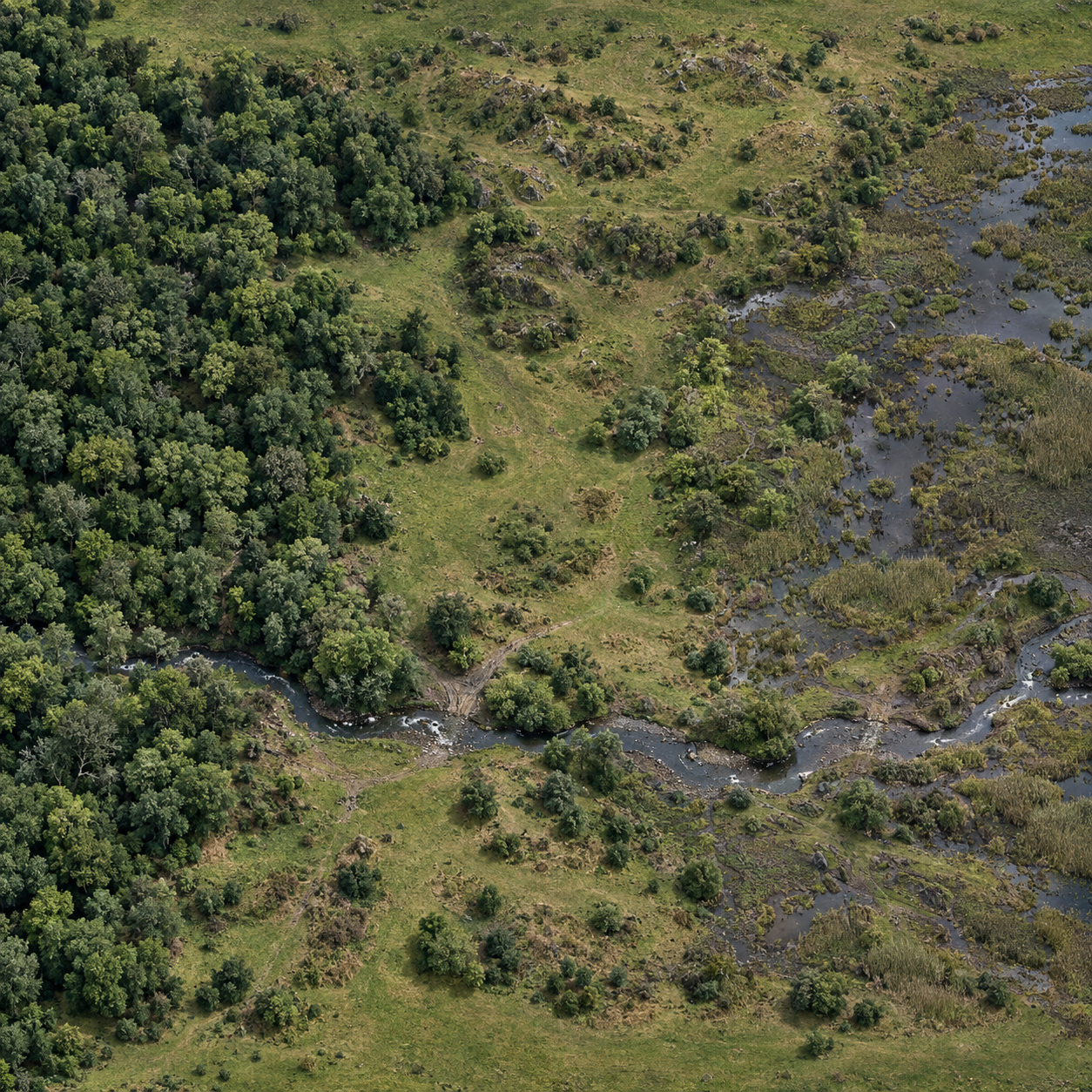
01 / WHAT HAPPENED
The battle and the field
- Opposing forces
- Robert Bruce’s Scots against Edward II’s English relief army.
- Outcome
- Scottish victory; Edward escaped and Bruce’s control of Scotland was strengthened.
Edward II marched to relieve Stirling Castle. Fighting on 23 June developed around the New Park approaches; the main battle followed on 24 June. Bruce’s closely formed spearmen advanced against an English army whose ability to deploy was restricted. The defeat forced Edward to withdraw, although it did not immediately end the war. [1] [2]
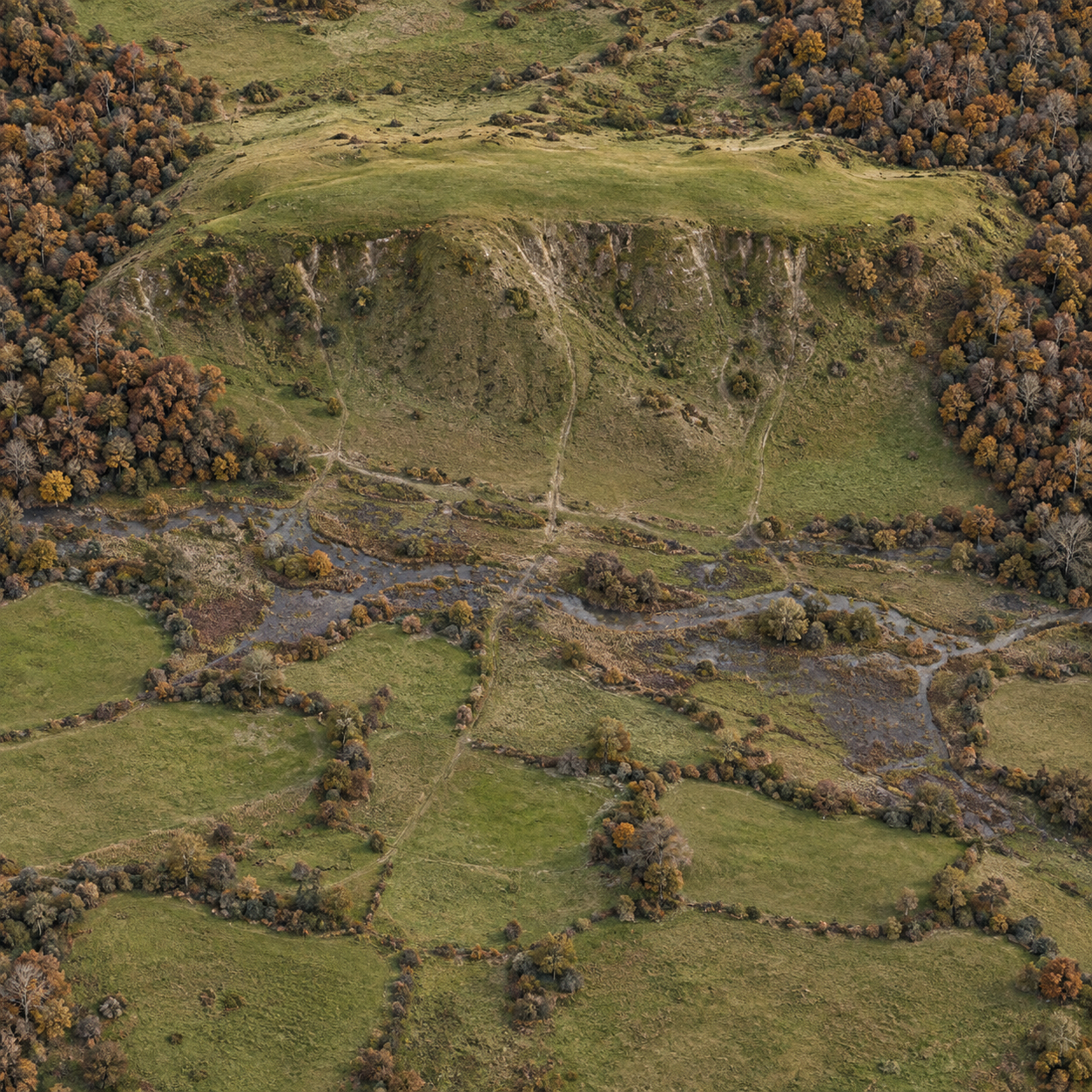
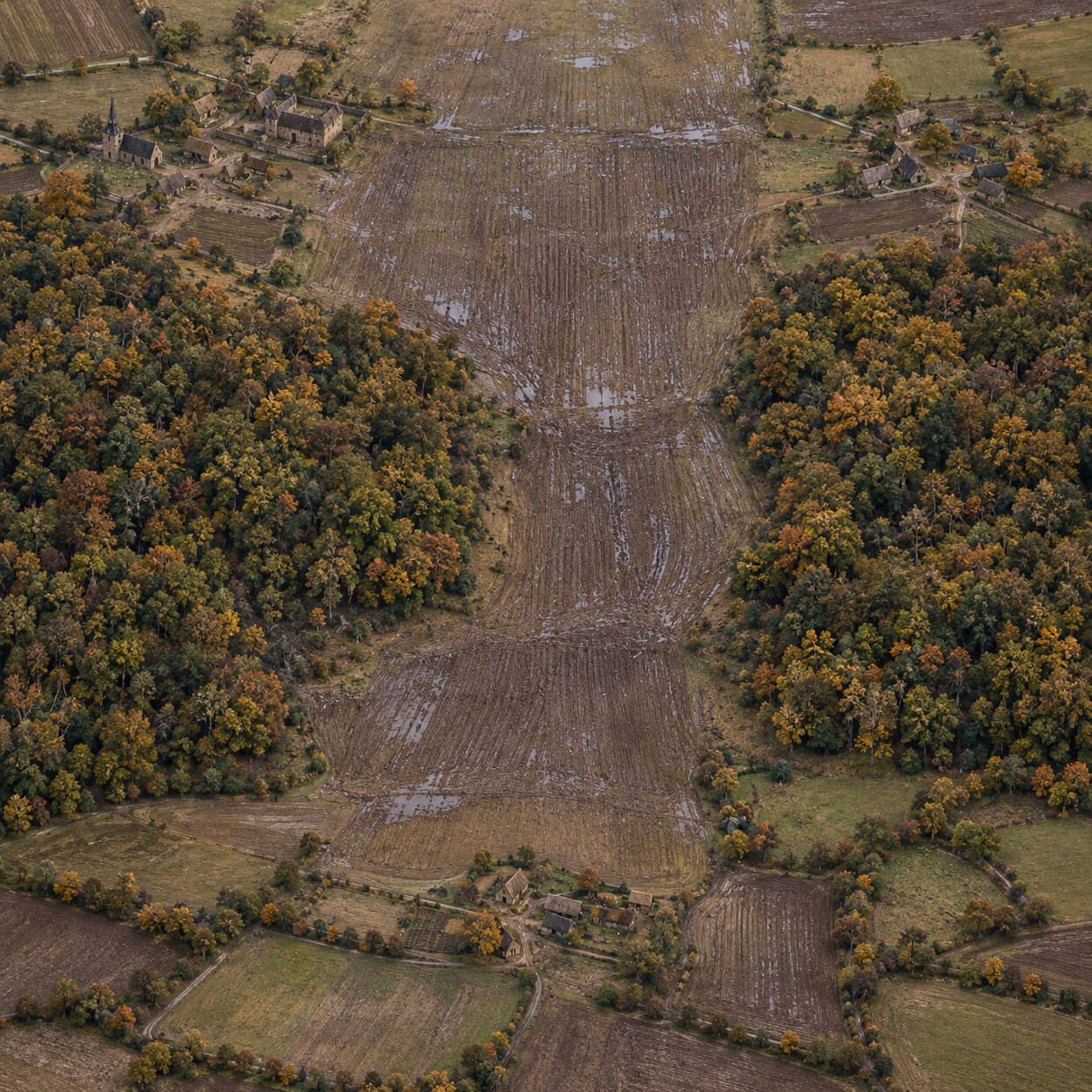
The useful lesson is not that every part of the carse was an impassable bog. Woods, streams, wet patches and the space occupied by the army could together restrict movement. Firm ground existed, and the precise location of the second day’s fighting remains disputed. New Park and the approaches to Stirling are more secure landmarks than a detailed diagram of the final clash. [1]
02 / READING THE RECORD
What history can tell us
The anonymous Vita Edwardi Secundi is a contemporary English narrative, valuable for its criticism of English leadership as well as its account of the Scots. John Barbour’s influential Brus was composed around 1375, decades after the battle. Later speeches and heroic episodes need to be distinguished from contemporary testimony. [1] [2]
03 / CONTEMPORARY VOICE
Words from the period
“They advanced like a thick-set hedge, and such a phalanx could not easily be broken.”
Contemporary English narrative, not an established eyewitness account. Translation reproduced by De Re Militari from N. Denholm-Young’s edition (1957). The image describes cohesion and spear density.
04 / COMMANDER’S OVERVIEW
Advantages, difficulties and a plan
The following is tactical advice for this game map. Historical terrain informs the scenario; the numerical effects are game rules.
New Park woods
Advantage
A wooded flank can screen an infantry advance from missiles.
Difficulty
Woods block your own shooting and slow any attempt to redeploy through them.
Burn and marsh
Advantage
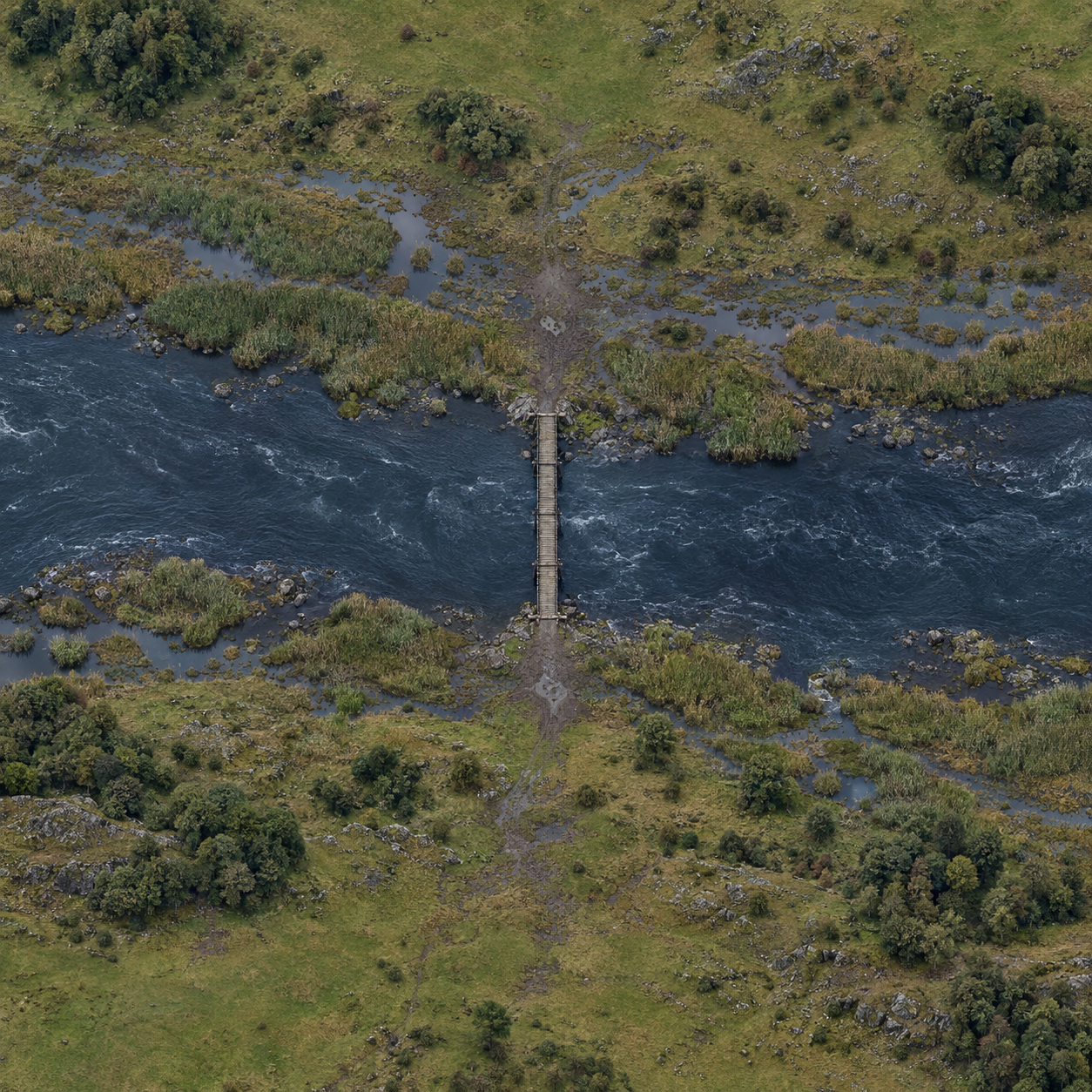
Restricted lanes favour mutually supporting infantry and make mounted routes predictable.
Difficulty
Cavalry cannot charge through stream or marsh squares; a detour can separate it from the main line.
Firm central ground and hills
Advantage
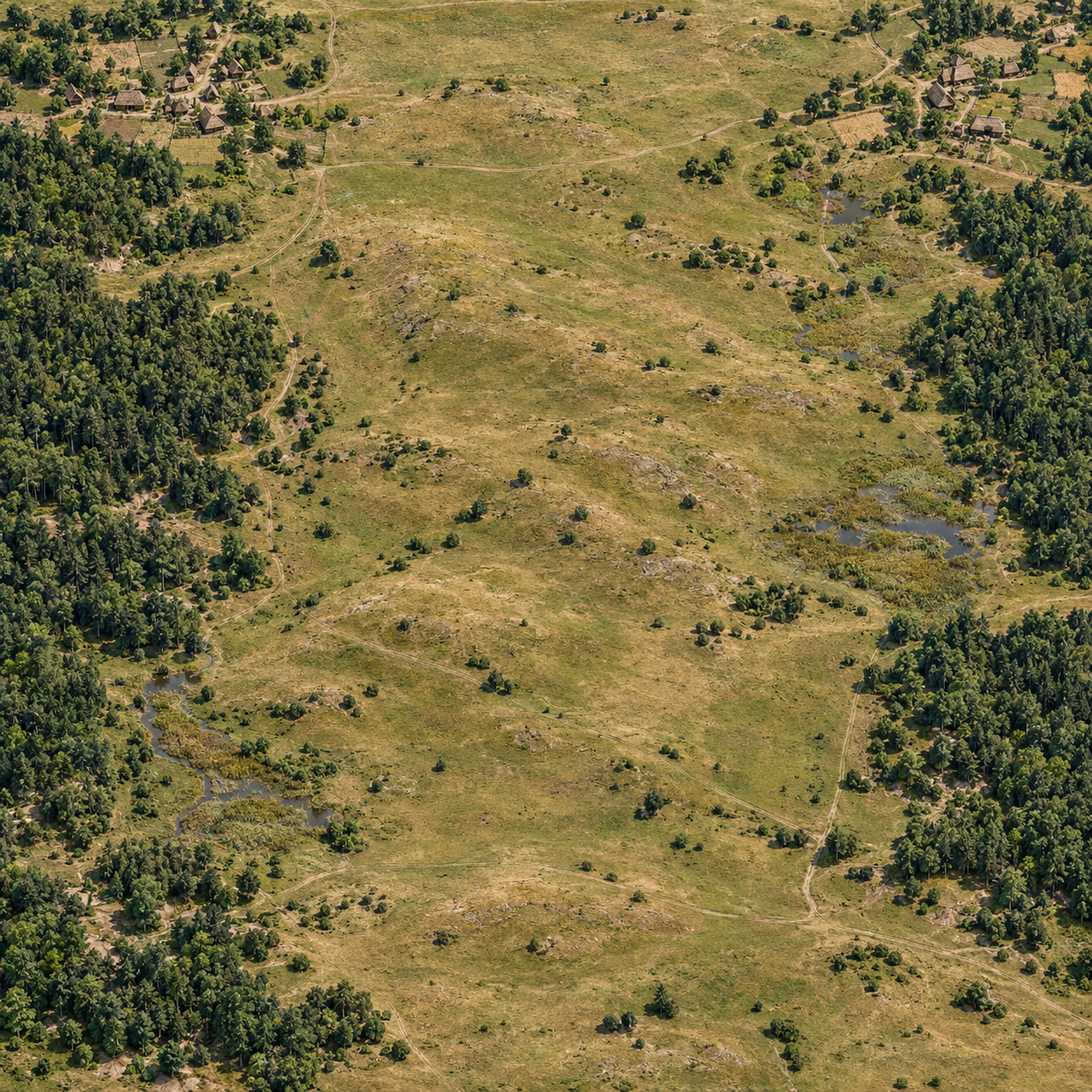
Clear lanes support an orderly advance; hill squares improve infantry saves.
Difficulty
Central space is limited, while rocky squares on the rise also slow movement and prevent charges.
Your opening decisions
Use compact spear formations to hold the exits from firm lanes. Support them with missiles that can see past the woodland. If using cavalry, first identify a clear route and a vulnerable flank; a direct charge through constricted ground wastes its strengths.
History and the game map
The map combines New Park, the carse and the Bannock Burn into one playable field. It does not recreate both days separately or model the reported pits. Its fixed dry weather is a scenario setting, not a claim that every historical account agrees on conditions.
05 / FOLLOW THE EVIDENCE
Historical references
Quotations are short extracts. Attributions identify the account’s date and viewpoint; a contemporary author is not necessarily an eyewitness. References checked 31 October 2026.
- Historic Environment Scotland — Bannockburn, BTL4
Landscape, alternative locations for the second day and assessment of the primary sources.
- Vita Edwardi Secundi — Bannockburn extract
Contemporary narrative in translation, hosted by the Society for Medieval Military History.
Further reading: Bannockburn 1314 on Seven Swords ↗