THE FIELD & THE RECORD
Bosworth 1485
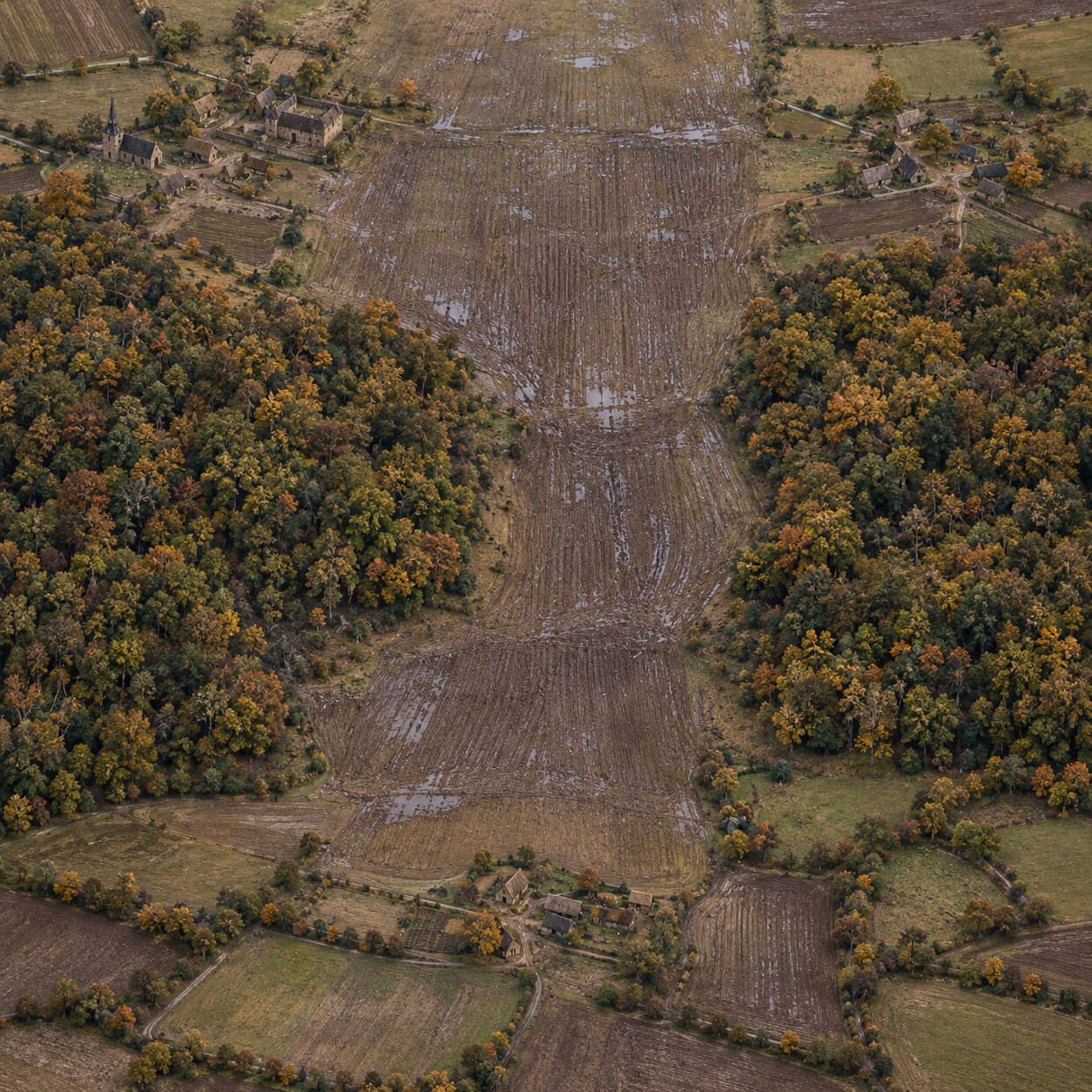
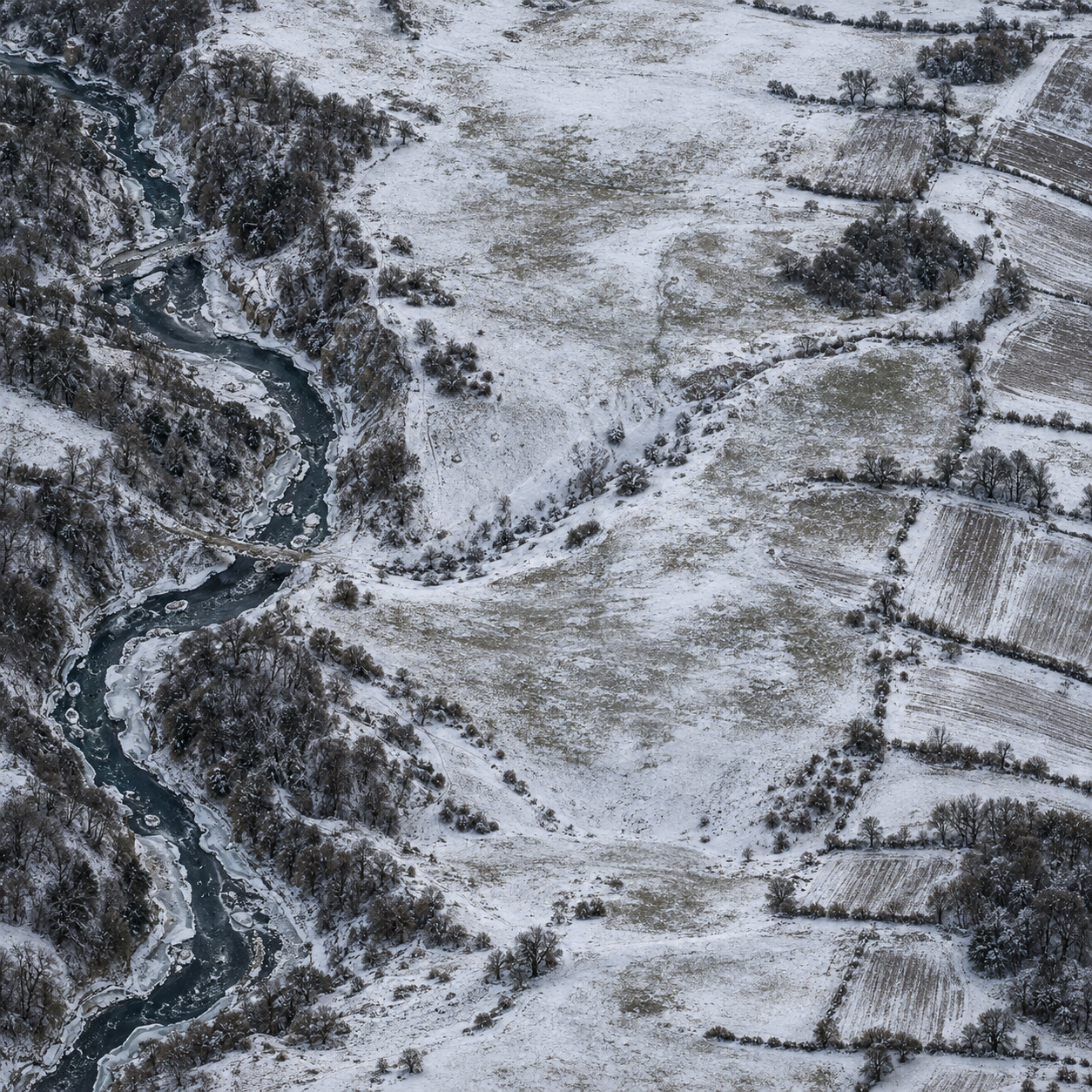
Wet ground, open fields and an uncertain reserve shaped the fall of Richard III. Compare the archaeological battlefield with the game’s traditional landscape.
22 August 1485 Fenn Lane area, Leicestershire, England
Play this battlefield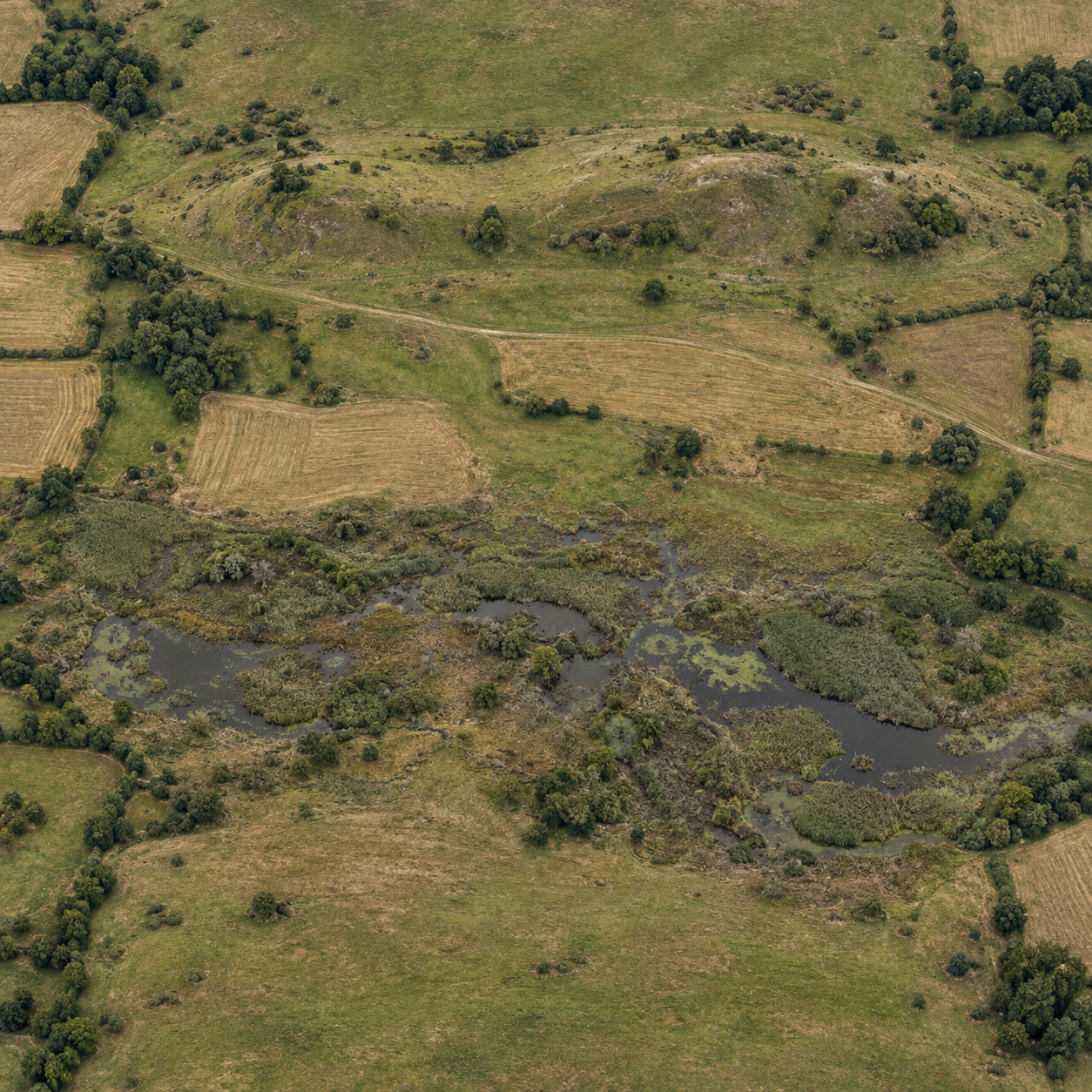
01 / WHAT HAPPENED
The battle and the field
- Opposing forces
- Richard III’s royal army against Henry Tudor, with the Stanley forces intervening on Henry’s side.
- Outcome
- Richard was killed; Henry’s victory established the Tudor monarchy.
Henry Tudor’s invasion culminated in a confrontation with Richard III. Oxford led Henry’s main force, while the Stanleys initially held apart. Richard made a mounted attack directed at Henry; the intervention of Stanley troops helped decide the fighting, and Richard died. The sequence of individual movements remains a reconstruction rather than a fully documented plan. [1]
Archaeological survey relocated the principal fighting to the Fenn Lane area southwest of Ambion Hill. Cannon-shot finds and other artefacts changed the older picture of a battle fought on the hill itself. Wet ground was an important constraint, while open ground offered routes around it. Ambion Hill is associated with the royal encampment, not securely with the main clash. [1] [2]
02 / READING THE RECORD
What history can tell us
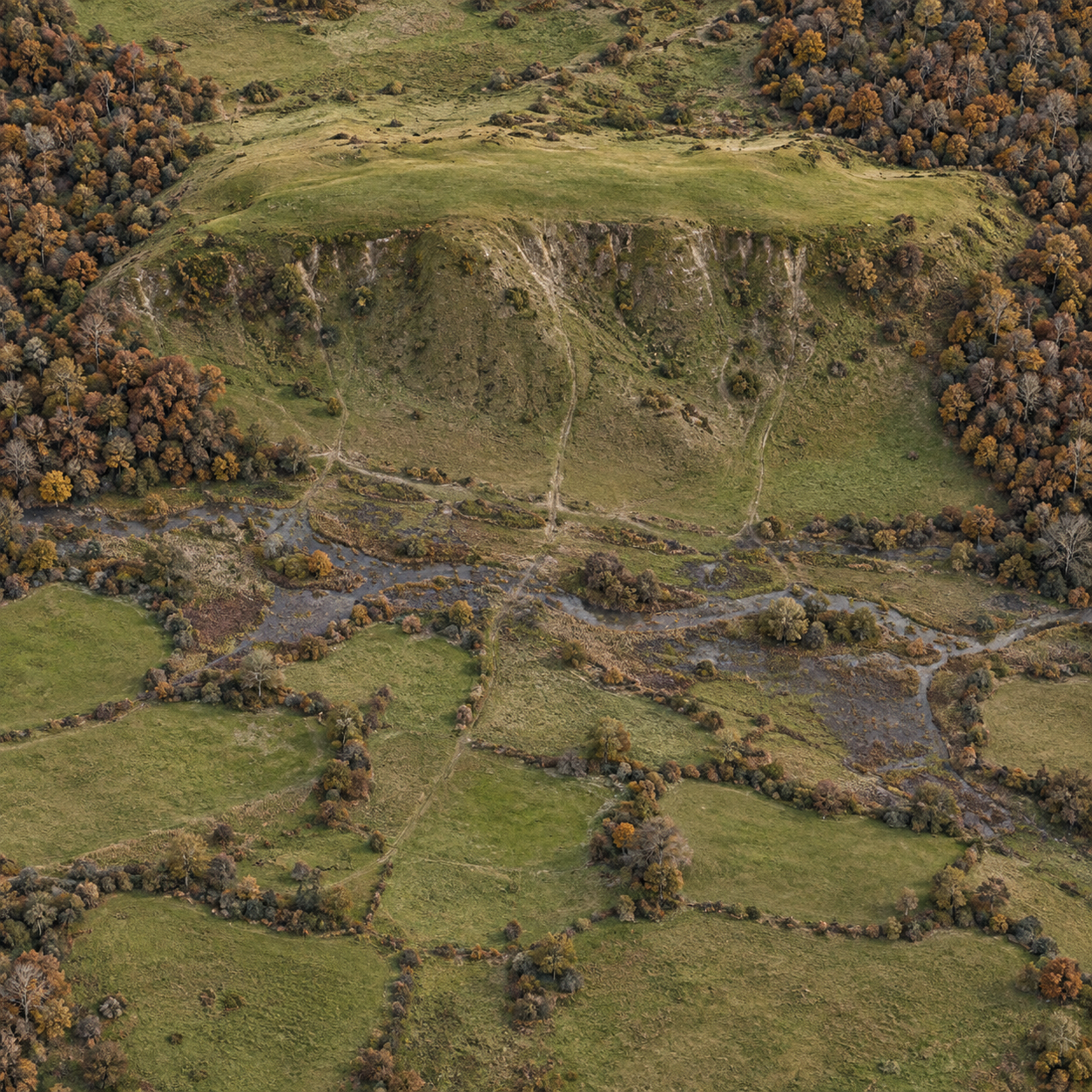
The game retains a traditional landscape inspired by Ambion Hill and Redemore. The guide follows the modern archaeological distinction between camp and battlefield. York’s council record is an immediate reaction to Richard’s death, expressing the city’s allegiance; its language of murder is not neutral proof of the circumstances. [1] [2] [3]
03 / CONTEMPORARY VOICE
Words from the period
“piteously slain and murdered, to the great heaviness of this city”
Contemporary response to the news of Richard’s death, in modernised spelling as reproduced by History of York. It records grief and political loyalty, not an eyewitness description of his final charge.
04 / COMMANDER’S OVERVIEW
Advantages, difficulties and a plan
The following is tactical advice for this game map. Historical terrain informs the scenario; the numerical effects are game rules.
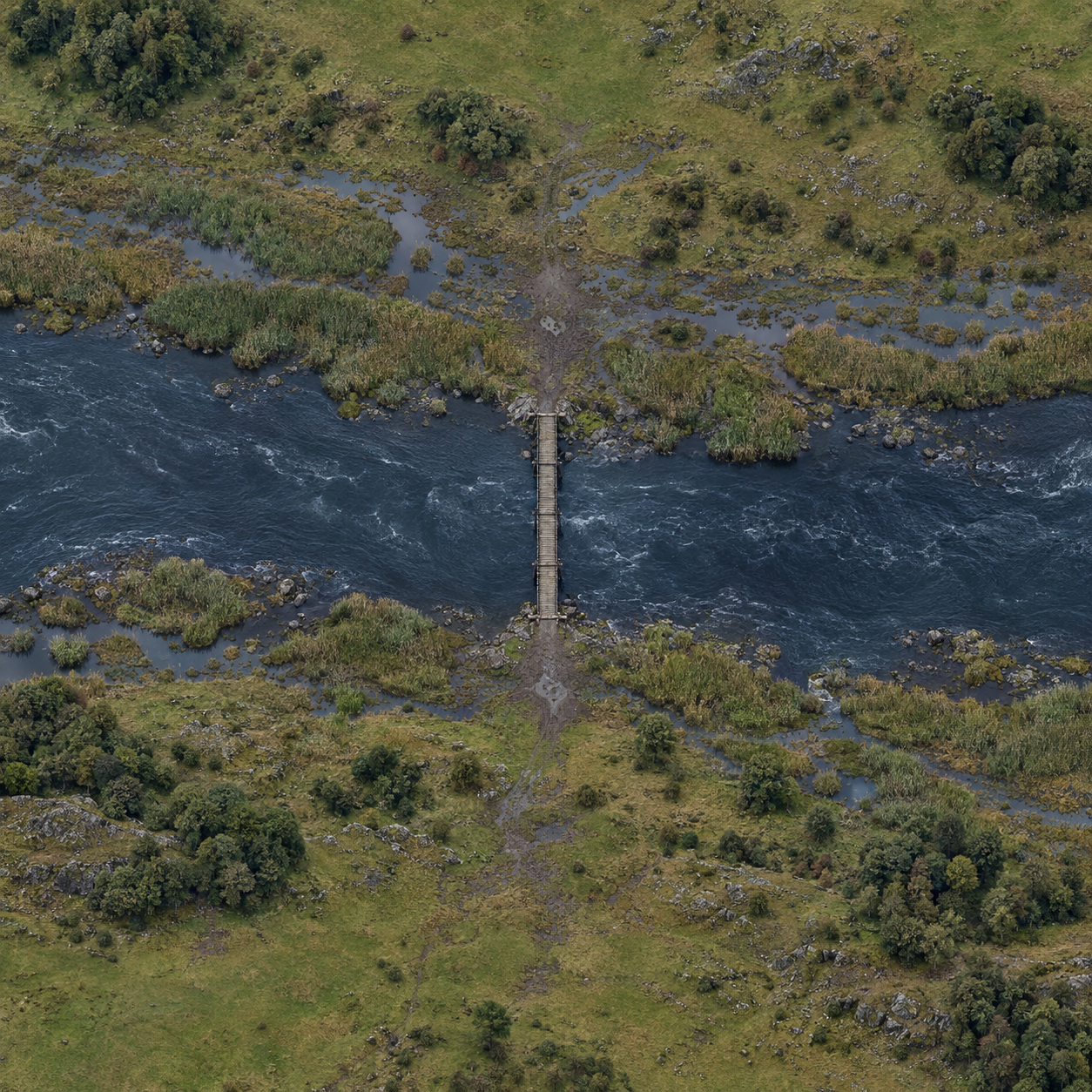
Marsh belt
Advantage
Wet ground can shield a flank and channel opponents into predictable approaches.
Difficulty
Marsh costs extra movement and prevents charges. A direct route may be much worse than a longer dry one.
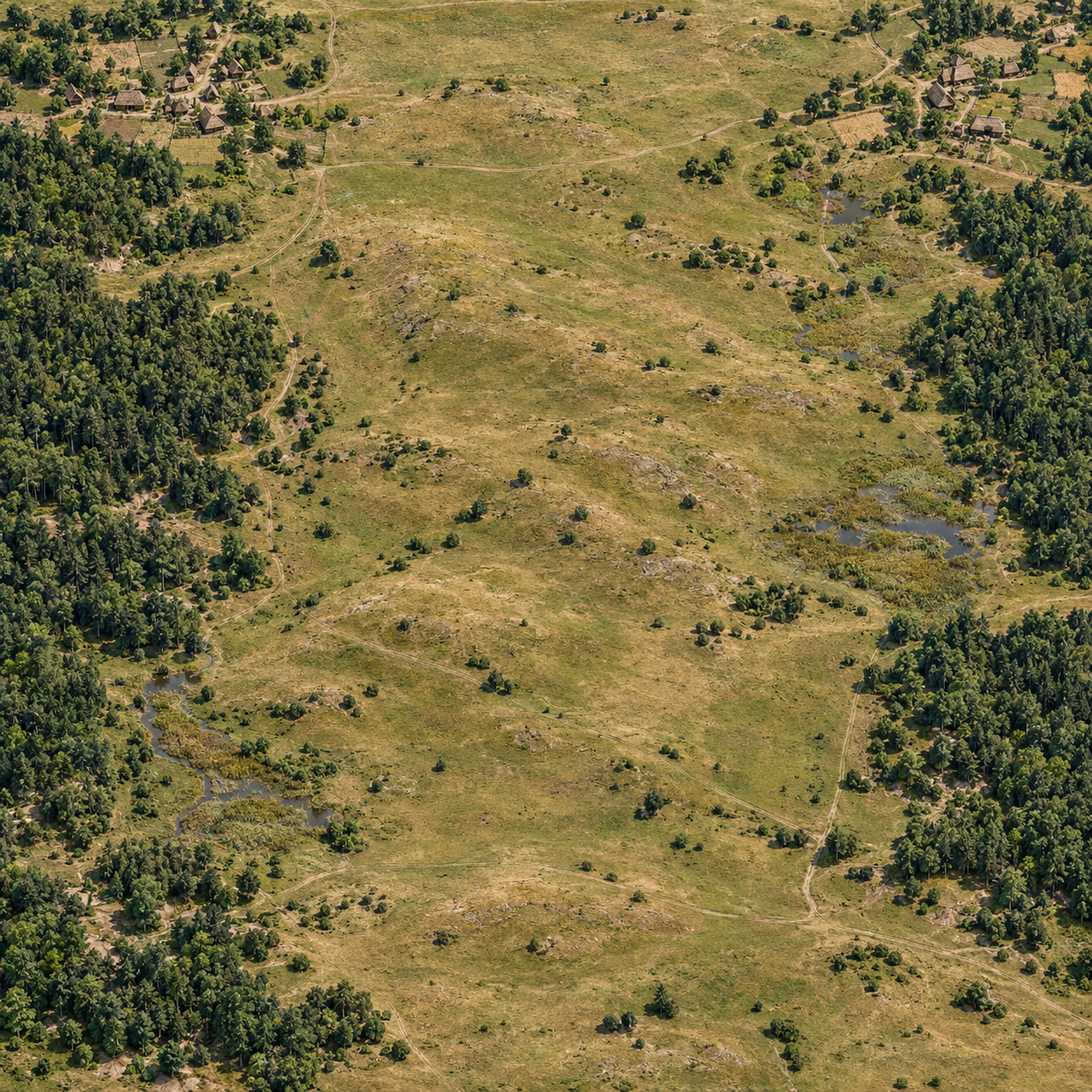
Hills and open fields
Advantage
Hill squares improve foot troops’ saves; open lanes permit coordinated advances.
Difficulty
The Harvested stubble setting removes mounted charge bonuses even on otherwise clear ground.
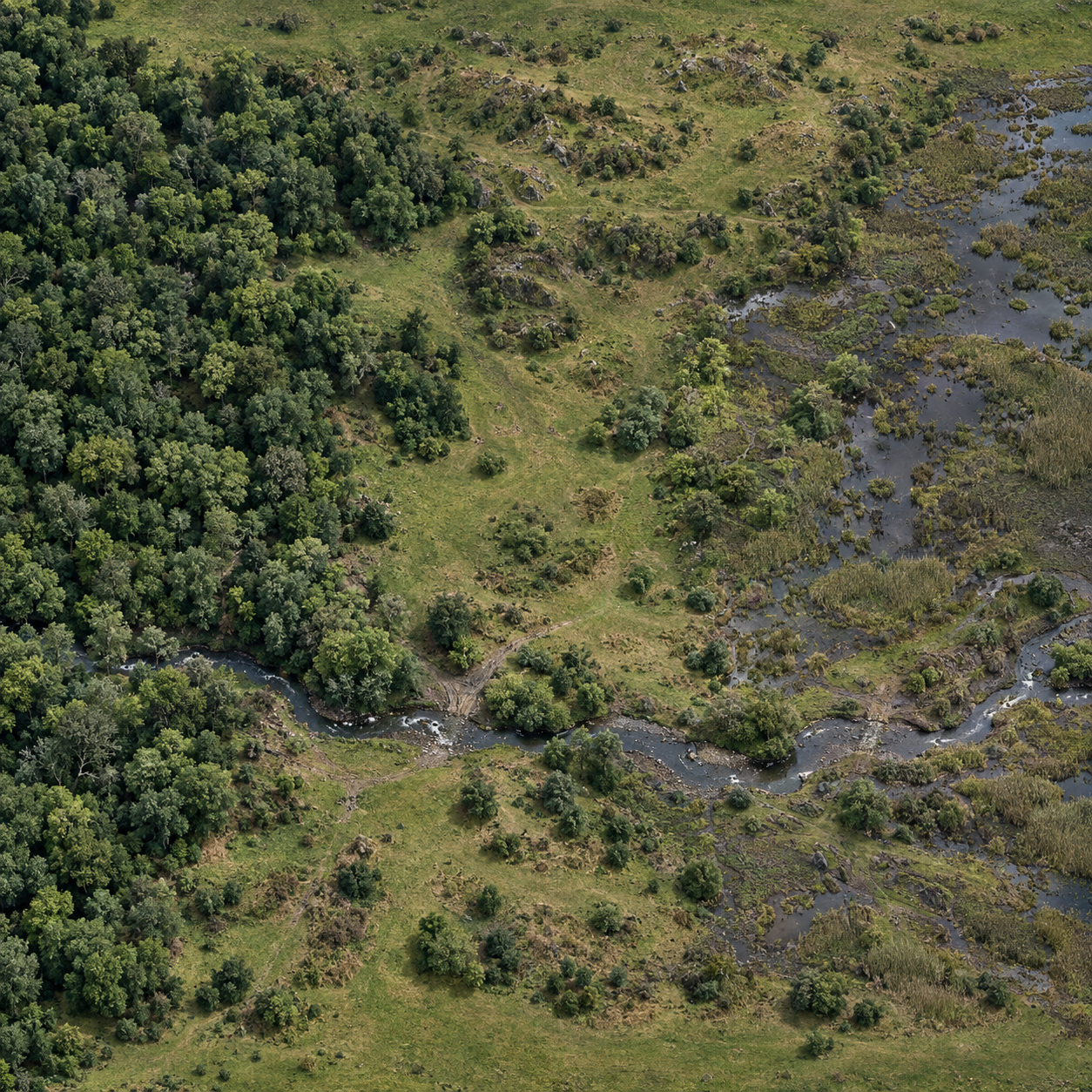
Wooded edges
Advantage
Woodland can interrupt enemy missile fire and anchor a flank.
Difficulty
It also blocks your sight. A force sent around the edge may become separated from the centre.
Your opening decisions
Keep a reserve near the junction of the usable lanes. Make the opponent commit before moving your fastest troops around the marsh. Protect your commander and avoid gambling the whole battle on an unsupported mounted thrust: cavalry here relies on position rather than a charge bonus.
History and the game map
The illustrated hill-and-marsh layout is not the excavated Fenn Lane battlefield at scale. The game does not simulate Stanley neutrality, allegiance changes or the artillery evidenced by the survey. The field’s harvested condition is a gameplay choice.
05 / FOLLOW THE EVIDENCE
Historical references
Quotations are short extracts. Attributions identify the account’s date and viewpoint; a contemporary author is not necessarily an eyewitness. References checked 31 October 2026.
- Historic England — Bosworth, list entry 1000004
Revised battlefield location and a provisional reconstruction of the fighting.
- Bosworth Battlefield Heritage Centre — History
Battlefield survey, cannon-shot finds and relocation of the principal fighting.
- History of York — King Richard III and York
The city’s relationship with Richard and its contemporary reaction to his death.
Further reading: Bosworth 1485 on Seven Swords ↗