THE FIELD & THE RECORD
Towton 1461
An exposed plateau and dangerous routes towards Cock Beck shaped a brutal battle. Explore the terrain, the evidence and the demands of fighting in snow.
29 March 1461 Between Saxton and Towton, Yorkshire, England
Play this battlefield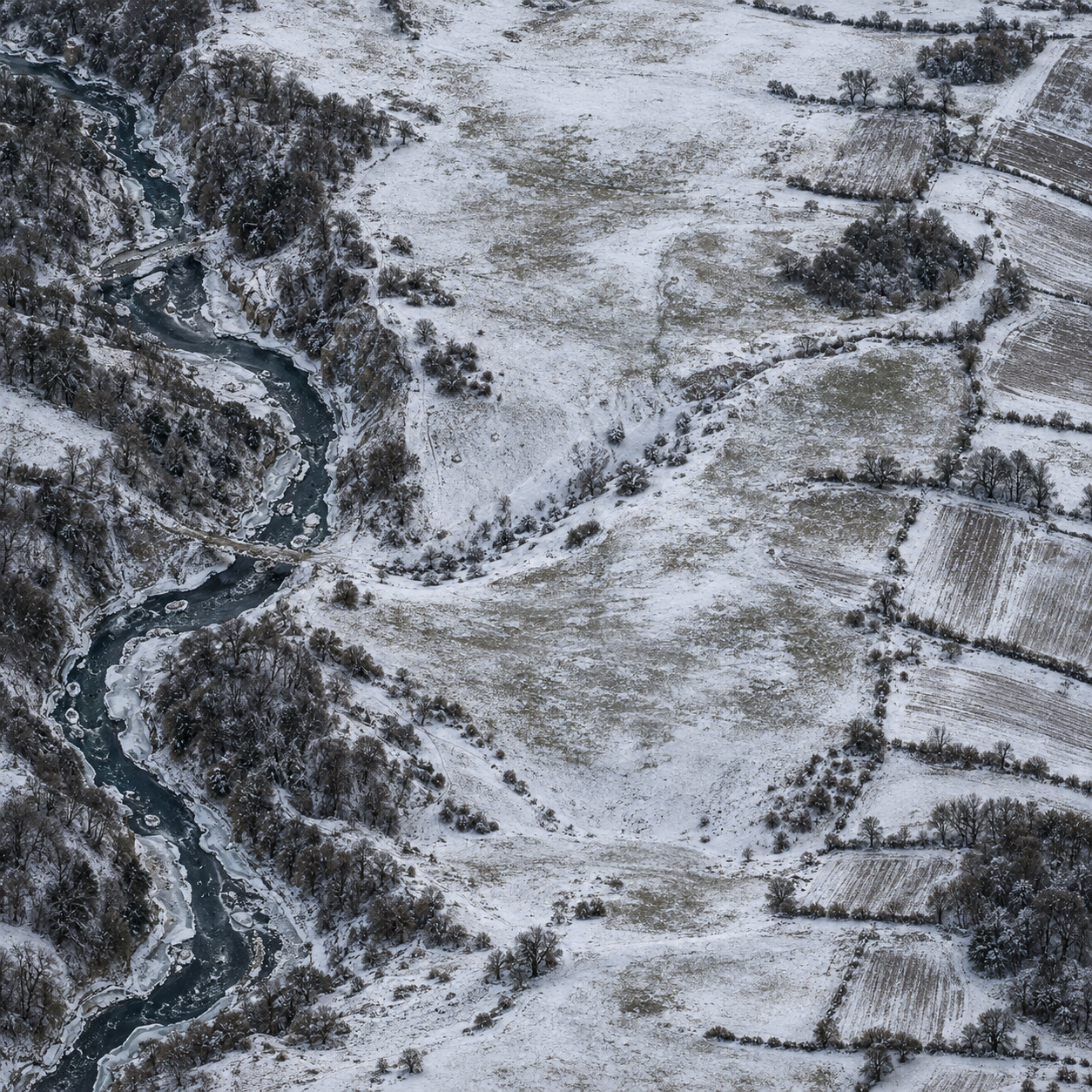
01 / WHAT HAPPENED
The battle and the field
- Opposing forces
- Edward IV’s Yorkists against Lancastrian forces supporting Henry VI.
- Outcome
- Yorkist victory, securing Edward’s position; the Lancastrian royal family escaped north.
After fighting around Ferrybridge, Edward’s army met the Lancastrians on Palm Sunday. A prolonged battle ended in a Lancastrian defeat and a destructive retreat. Contemporary reports convey the scale of the disaster, but their casualty totals should not be treated as an exact count. Archaeological work, including excavated burials, provides evidence independent of the written narratives. [1] [2]
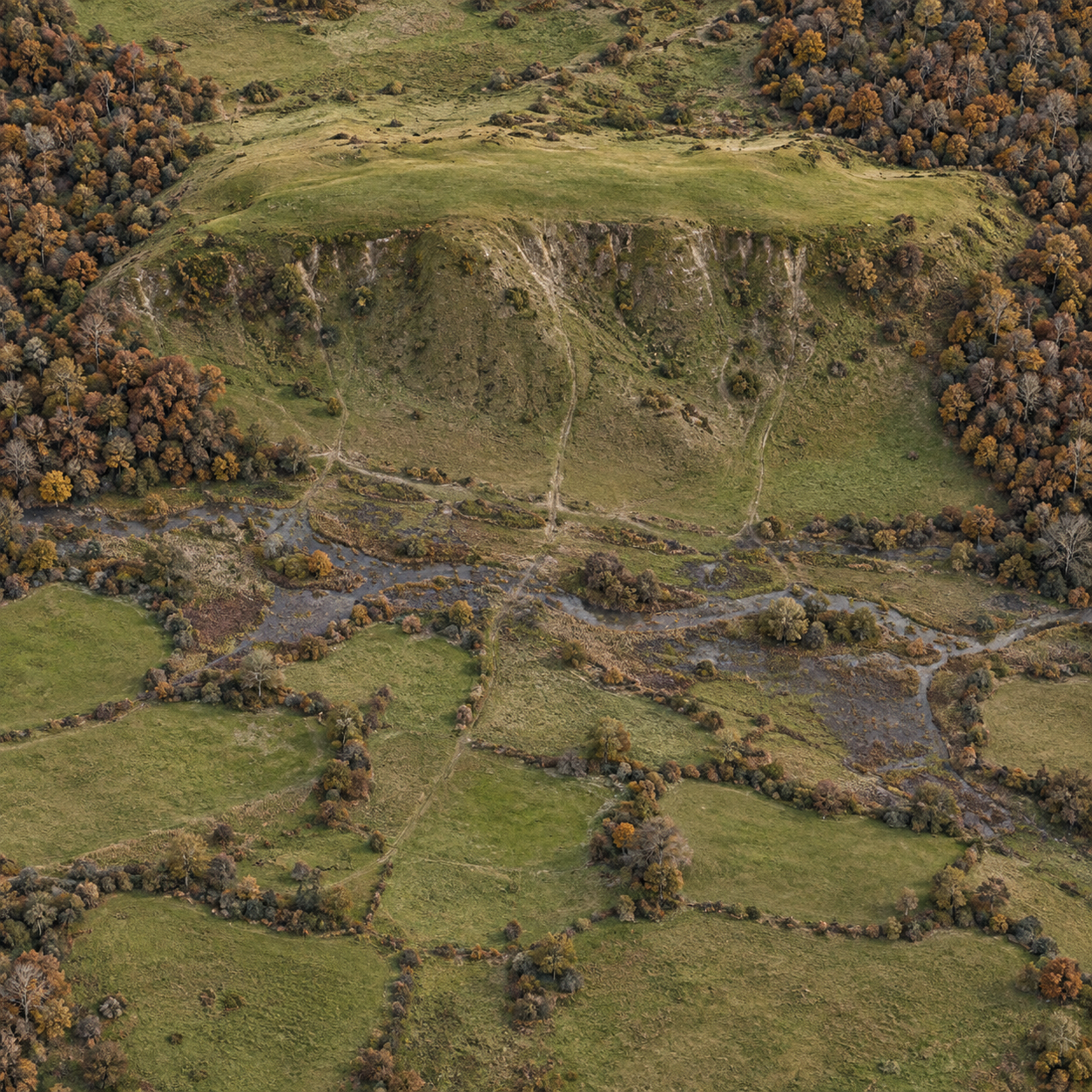
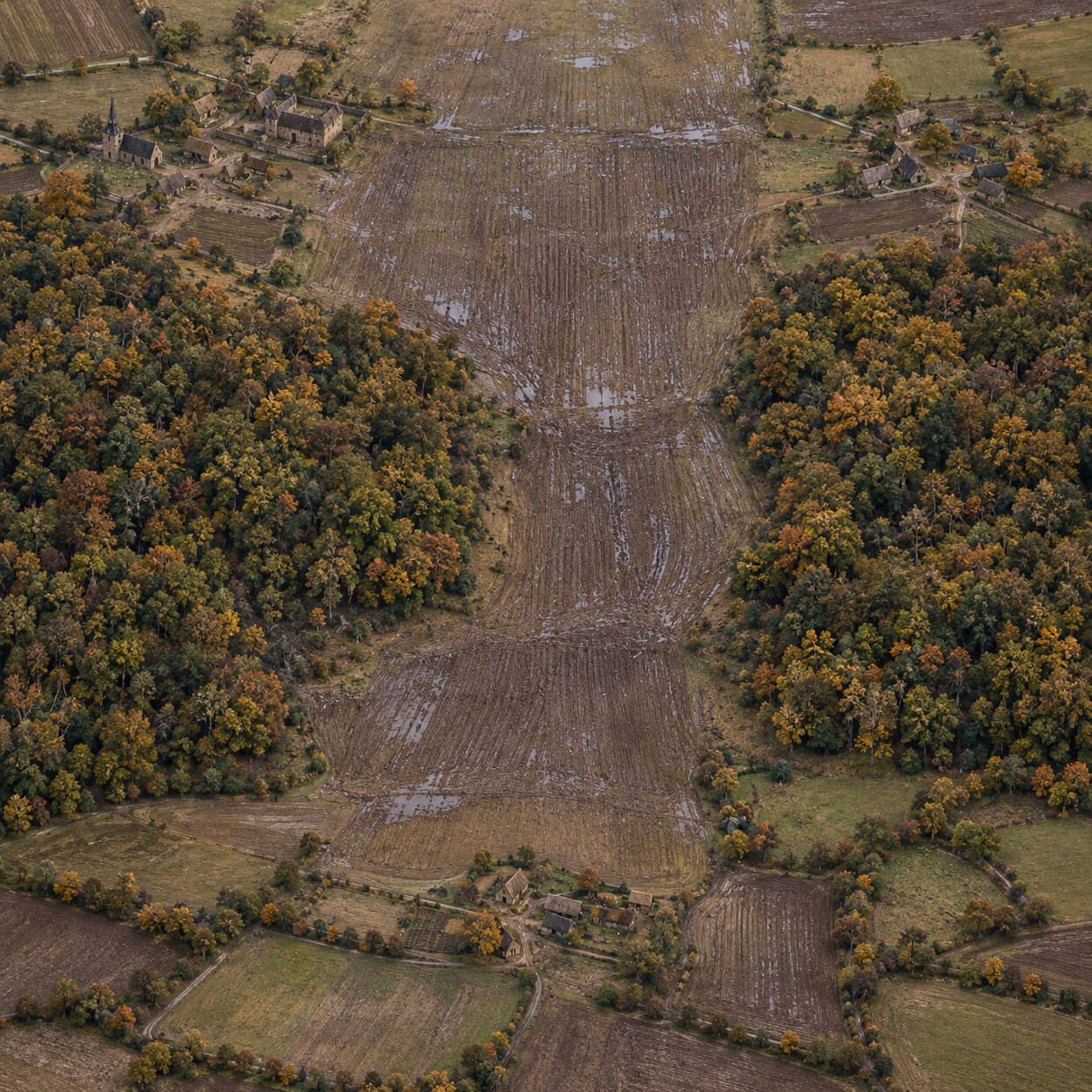
The plateau lies between lower ground to the east and the incised valley of Cock Beck to the west. Towton Dale crosses it, becoming steeper towards the beck. These changes of ground mattered both to deployment and to escape. The famous account of wind-driven snow helping Yorkist archers is developed in Edward Hall’s sixteenth-century chronicle, substantially later than the battle. [1] [2]
02 / READING THE RECORD
What history can tell us
The battlefield’s general location is well supported, but detailed deployments, the timing of reinforcements and the total dead remain debated. The parliamentary wording below is contemporary evidence of place and date, written under the victorious Edward IV; it does not independently verify every later tactical story. [1] [2]
03 / CONTEMPORARY VOICE
Words from the period
“called Saxtonfeld and Tawtonfeeld, in the Shire of York”
Contemporary parliamentary record, quoted in the English Heritage battlefield report, p. 1. Original spelling retained: Saxton field and Towton field, in Yorkshire.
04 / COMMANDER’S OVERVIEW
Advantages, difficulties and a plan
The following is tactical advice for this game map. Historical terrain informs the scenario; the numerical effects are game rules.
Plateau and hills
Advantage
Hill squares give unmounted troops better saves and a place to anchor the line.
Difficulty
Broad exposed ground still permits concentrated missile fire and attacks on unsupported flanks.
Cock Beck and wooded margins
Advantage
Wet and wooded ground can protect one side of a position.
Difficulty
Streams, marsh and woods slow movement and prevent charges, making a withdrawal towards them difficult.
Snow and soft ground
Advantage
A compact, supported defence can exploit the opponent’s slow approach.
Difficulty
Every unit loses 1 Move; soft ground adds movement cost. Mounted charge bonuses vanish and other charges risk disorder.
Your opening decisions
Leave a clear route behind your fighting line and keep fresh troops close enough to replace a hard-pressed company. Avoid committing your entire army against the beck-side terrain. The scenario has no directional wind advantage, so do not expect historical wind stories to grant one side longer bow range.
History and the game map
Frost / snow and Soft ground are fixed scenario conditions. The game abstracts the dale into terrain squares and does not reproduce drowning during the historical rout, historical reinforcement timings or a changing snowstorm.
05 / FOLLOW THE EVIDENCE
Historical references
Quotations are short extracts. Attributions identify the account’s date and viewpoint; a contemporary author is not necessarily an eyewitness. References checked 31 October 2026.
- Historic England — Towton, list entry 1000040
Current registered battlefield description, topography and archaeological evidence.
- English Heritage — Towton battlefield report (1995)
Parliamentary quotation on p. 1; critical discussion of chronicles and Hall’s later account of the weather.
Further reading: Towton 1461 on Seven Swords ↗