THE FIELD & THE RECORD
Grunwald 1410
An open field rewards manoeuvre, but pursuit can pull an army apart. Explore the Polish–Lithuanian victory and the opportunities for mounted troops.
15 July 1410 Near Grunwald and Stębark, present-day Poland
Play this battlefield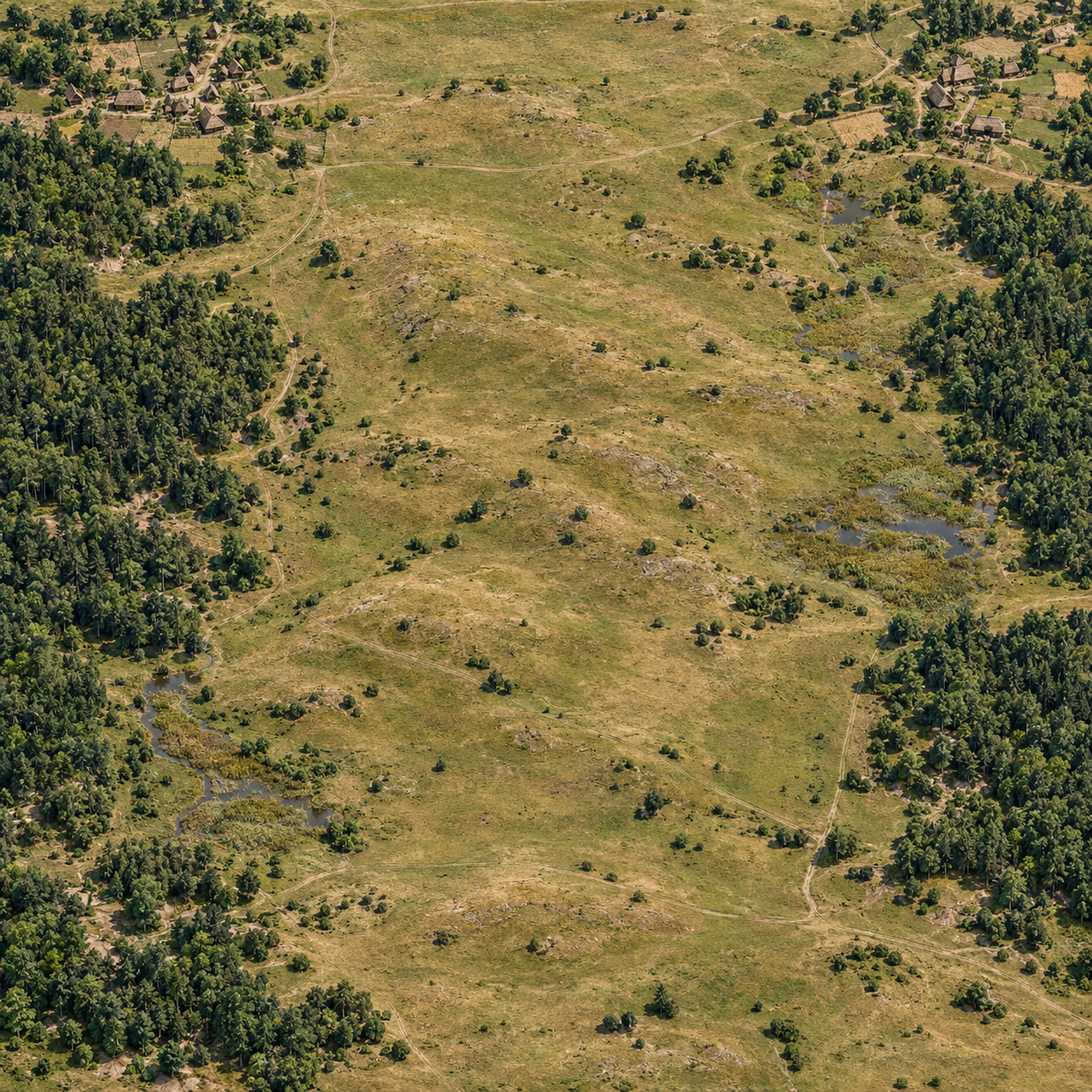
01 / WHAT HAPPENED
The battle and the field
- Opposing forces
- Władysław II Jagiełło and Vytautas’s allied forces against the Teutonic Order under Ulrich von Jungingen.
- Outcome
- Polish–Lithuanian victory; the grand master and many of the Order’s leaders were killed.
The allied army met the Teutonic Order in the countryside around Grunwald and Tannenberg, now Stębark. Mounted formations played a major role. The fighting included a withdrawal of Lithuanian forces and pursuit by part of the opposing army, followed by continuing combat and the defeat of the Order’s main force. How much of that withdrawal was planned remains a question for interpretation. [2] [3]
Jagiełło’s letter to Queen Anna describes heralds bringing two swords and a challenge before the battle. It is a participant’s report, but also a victorious king’s explanation of his cause. Jan Długosz’s much fuller narrative was written about sixty years later; its vivid speeches, woods and changes of ground should not be read as a precise contemporary map. [1] [2]
02 / READING THE RECORD
What history can tell us
The sources differ in perspective and date. The king’s letter supplies contemporary testimony; Długosz was born after the battle. Modern scholarship also discusses a later letter advising against pursuing apparent flight, which complicates the older picture of a simple Lithuanian rout. [1] [2] [3]
03 / CONTEMPORARY VOICE
Words from the period
“we present you herewith these swords in token of that design”
Contemporary participant’s report in an English translation printed in The Polish Review, 15 July 1945, p. 12. The heralds’ words are reported speech, not a verbatim transcript.
04 / COMMANDER’S OVERVIEW
Advantages, difficulties and a plan
The following is tactical advice for this game map. Historical terrain informs the scenario; the numerical effects are game rules.
Open short grass
Advantage
Mounted troops gain an additional charge bonus after a clear run of at least four squares.
Difficulty
The same space exposes your flanks. An isolated pursuit can leave infantry and missiles behind.
Low hills
Advantage
Infantry can anchor a position with improved saves on hill squares.
Difficulty
A hill is not a guarantee against attacks from several directions; retain a mobile reserve.
Woodland, villages and damp hollows
Advantage
Edges offer cover or screen movement where sight is blocked.
Difficulty
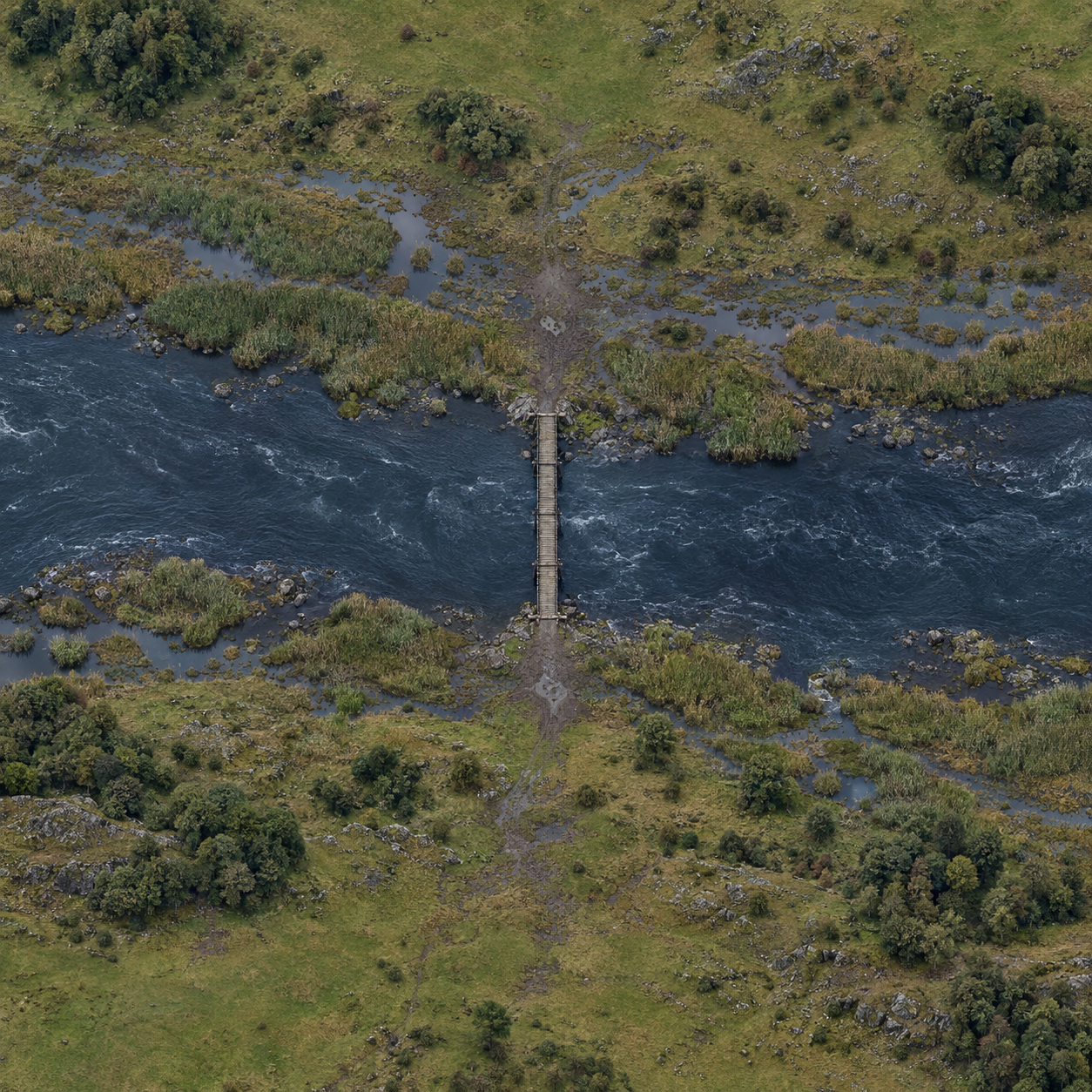
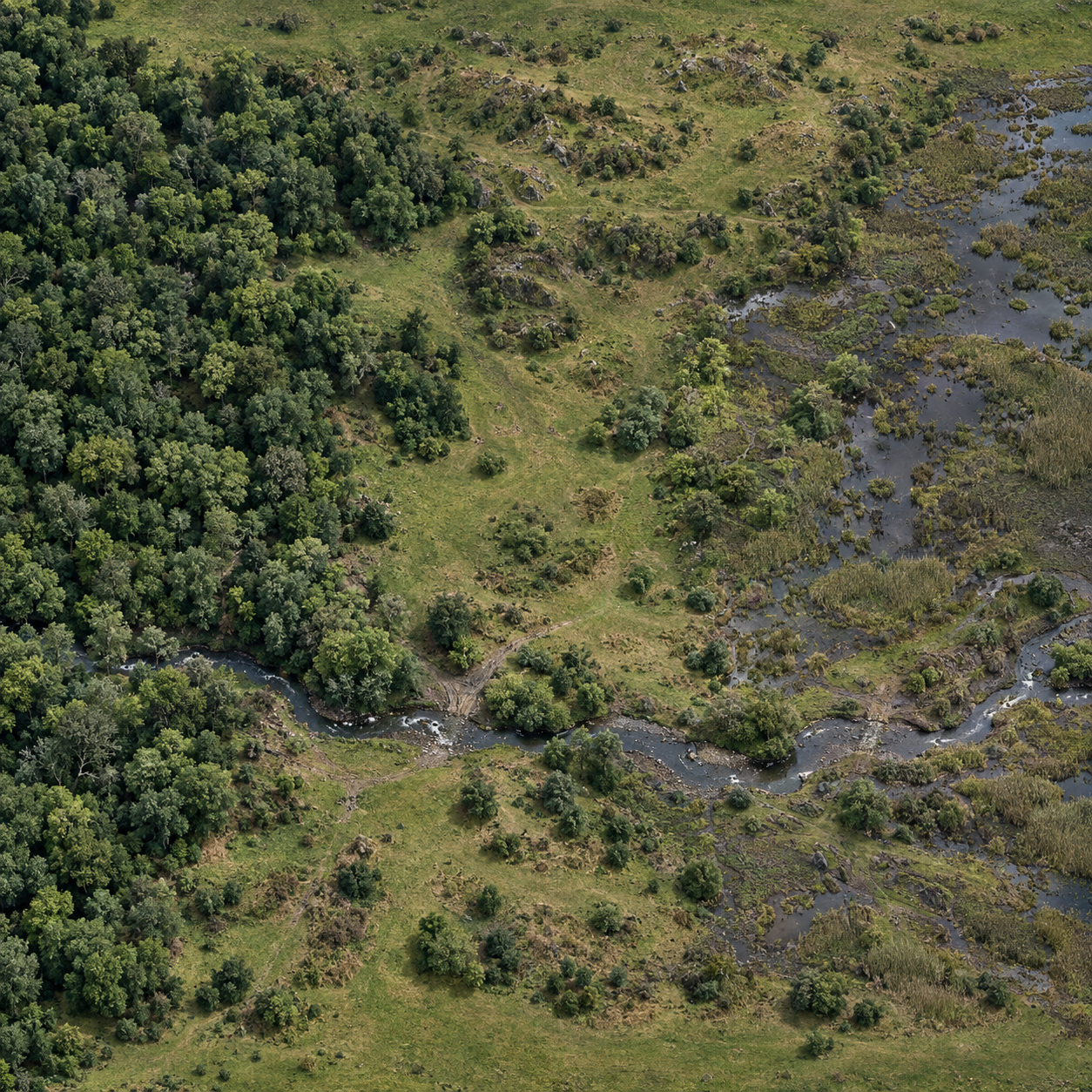
Woods and marsh interrupt charge lanes. Check the full route, not just the destination.
Your opening decisions
Keep a cavalry reserve where it can reach more than one clear lane. Pin the enemy with infantry and missiles before committing mounted troops against an exposed side. When an opponent falls back, preserve mutual support instead of sending every fast unit in pursuit.
History and the game map
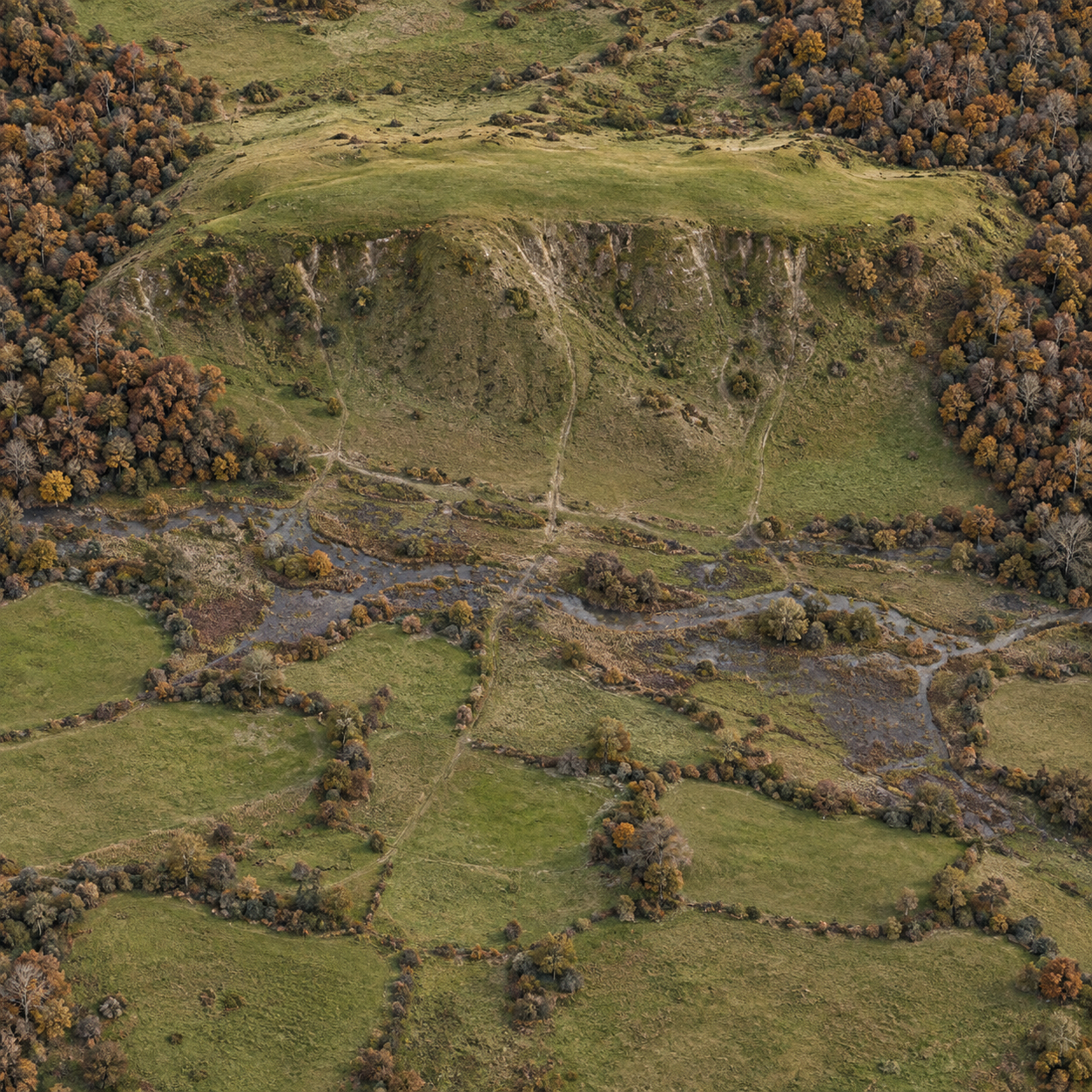
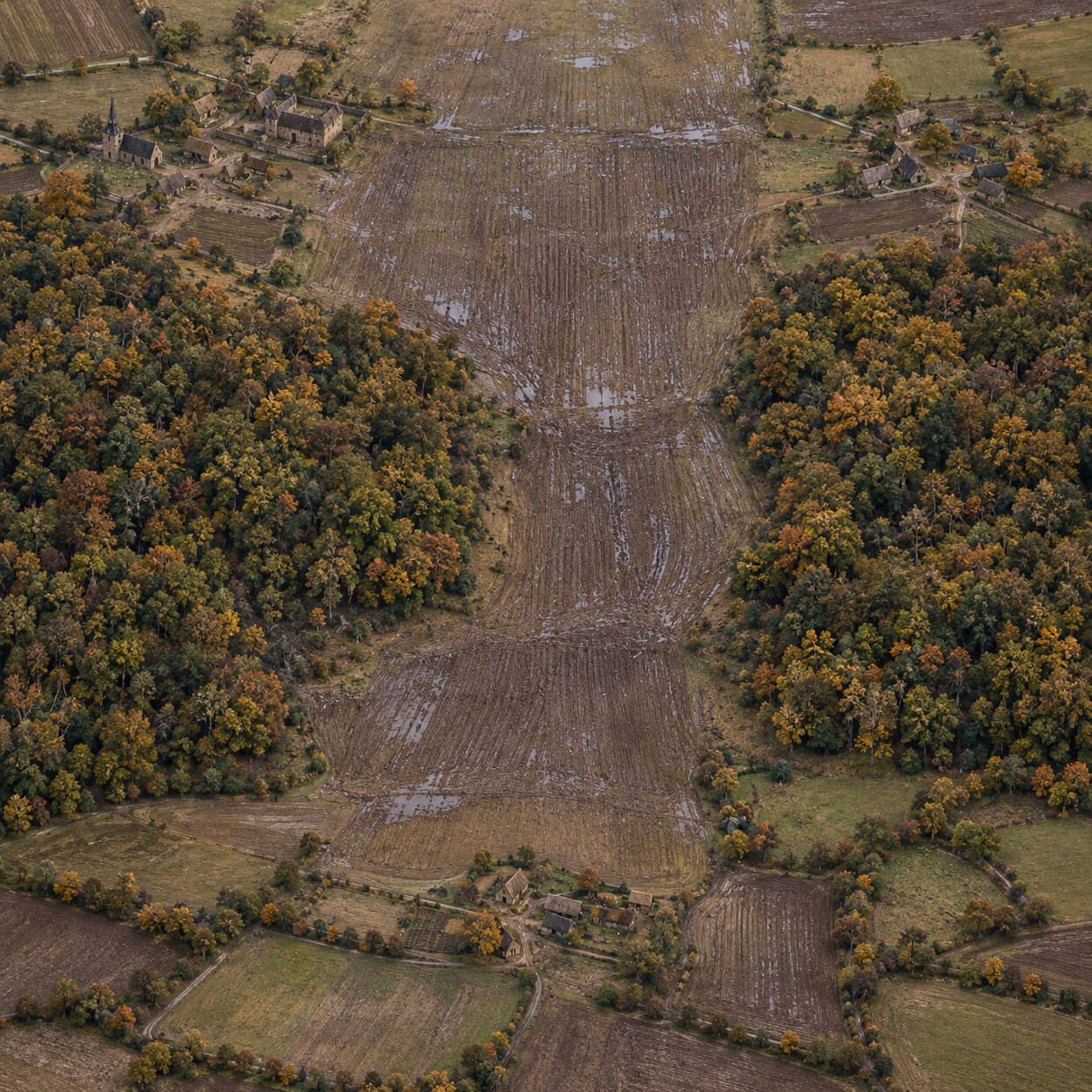
The broad grassland, hills and wooded edges are an illustrative tactical layout. Dry weather and the short-grass charge bonus are game rules; heat, dust, artillery and the historical coalition’s command arrangements are not simulated.
05 / FOLLOW THE EVIDENCE
Historical references
Quotations are short extracts. Attributions identify the account’s date and viewpoint; a contemporary author is not necessarily an eyewitness. References checked 31 October 2026.
- Jagiełło’s letter — The Polish Review, 15 July 1945
English translation of the king’s contemporary letter, printed p. 12 (PDF page 7), continued on p. 14; Jagiellonian Digital Library.
- Jan Długosz — The battle of Tannenberg or Grunwald
Later fifteenth-century narrative in translation, hosted by De Re Militari; not a contemporary eyewitness account.
- Sven Ekdahl — Different points of view on Grunwald/Tannenberg
Modern study of the written traditions, national interpretations and evidence concerning pursuit.
Further reading: Grunwald 1410 on Seven Swords ↗