THE FIELD & THE RECORD
Hastings 1066
A defended ridge, a close infantry line and the problem of attacking uphill: explore the field where William defeated Harold.
14 October 1066 Battle, East Sussex, England
Play this battlefield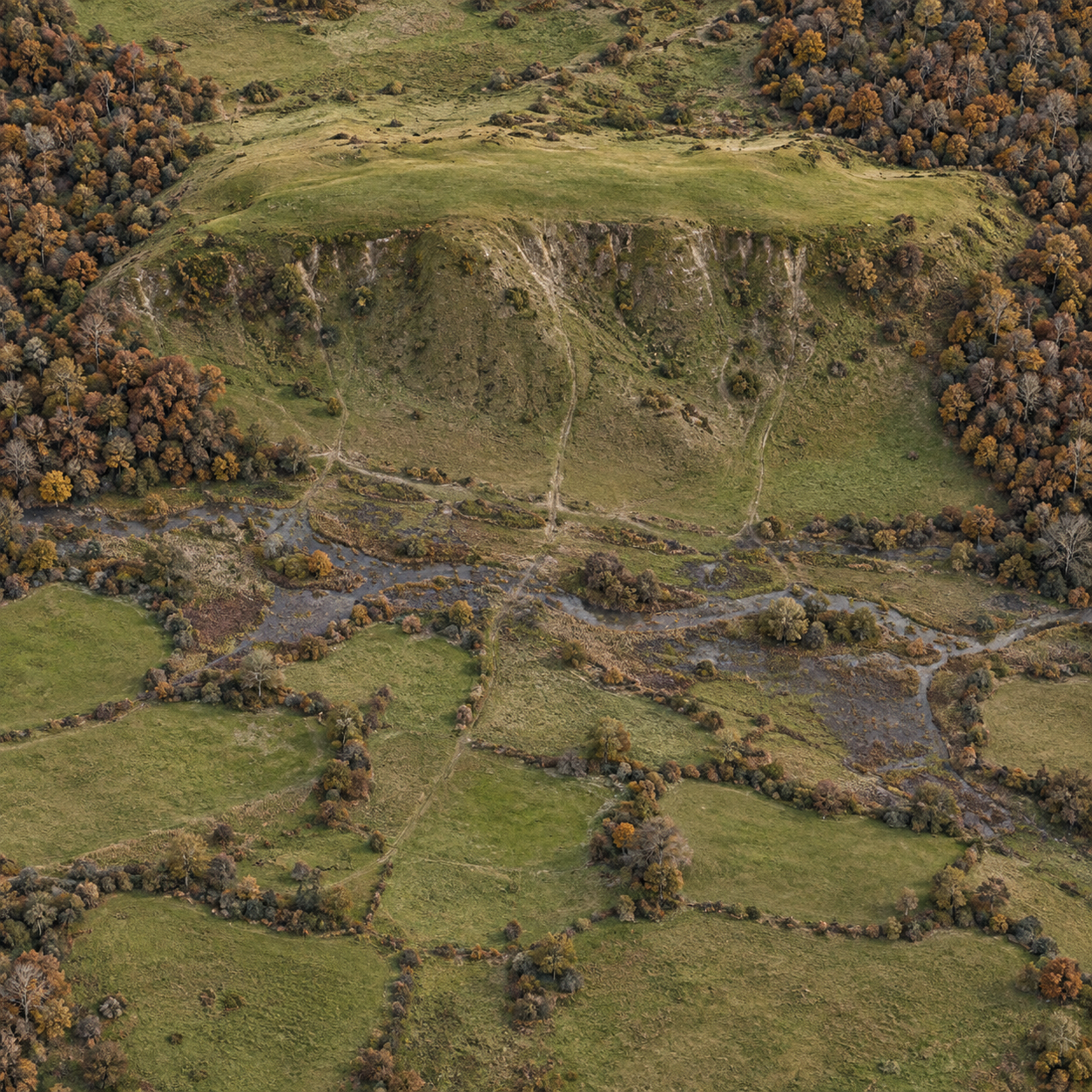
01 / WHAT HAPPENED
The battle and the field
- Opposing forces
- Harold Godwineson’s English army against William of Normandy and his allies.
- Outcome
- Norman victory; Harold was killed, opening the way to William’s coronation.
Harold had defeated the Norwegian invasion at Stamford Bridge before turning south to meet William. On 14 October the English occupied rising ground near the present town of Battle. William’s force combined archers, infantry and cavalry; Harold’s main fighting line stood on foot. Repeated attacks eventually broke the English defence, and Harold died in the fighting. [1]
The ridge mattered because an attacker had to climb into a closely held position. Sloping flanks and woodland reduced the scope for a simple mounted encirclement. Yet a strong position still depended on cohesion: troops who left it to pursue a retreat could become exposed. Norman accounts describe both retreats and renewed attacks, but their exact sequence is difficult to reconstruct. [1] [2]
02 / READING THE RECORD
What history can tell us
The Battle Abbey site is the established interpretation used here. Medieval accounts identify elevated ground more securely than individual units’ positions. William of Poitiers wrote in the 1070s in praise of William, and was not an eyewitness to the battle. The familiar arrow-in-the-eye story should not be treated as a certain account of Harold’s death. [1] [2]
03 / CONTEMPORARY VOICE
Words from the period
“on foot and in very close order”
Contemporary Norman author, not a battlefield eyewitness. English translation quoted in the English Heritage battlefield report, p. 2. His description stresses the compact English defence.
04 / COMMANDER’S OVERVIEW
Advantages, difficulties and a plan
The following is tactical advice for this game map. Historical terrain informs the scenario; the numerical effects are game rules.
Northern ridge
Advantage
Foot troops can hold hill squares with improved saves.
Difficulty
An advance away from the crest gives up that protection; keep neighbouring units in support.
Wooded flanks
Advantage
Woods screen a flank and interrupt hostile shooting.
Difficulty
They also block your sight, slow movement and prevent a charge through them.
Wet low ground and dry lanes
Advantage
The dry approaches let you concentrate an attack on a chosen part of the ridge.
Difficulty
Marsh and streams slow an approach; bunching several companies into one lane limits room to reform.
Your opening decisions
Defending the ridge: keep a connected infantry front and a reserve behind threatened gaps. Attacking it: bring missile troops into clear range, then coordinate infantry pressure with mounted threats along the dry lanes. Do not assume elevation grants extra weapon range.
History and the game map
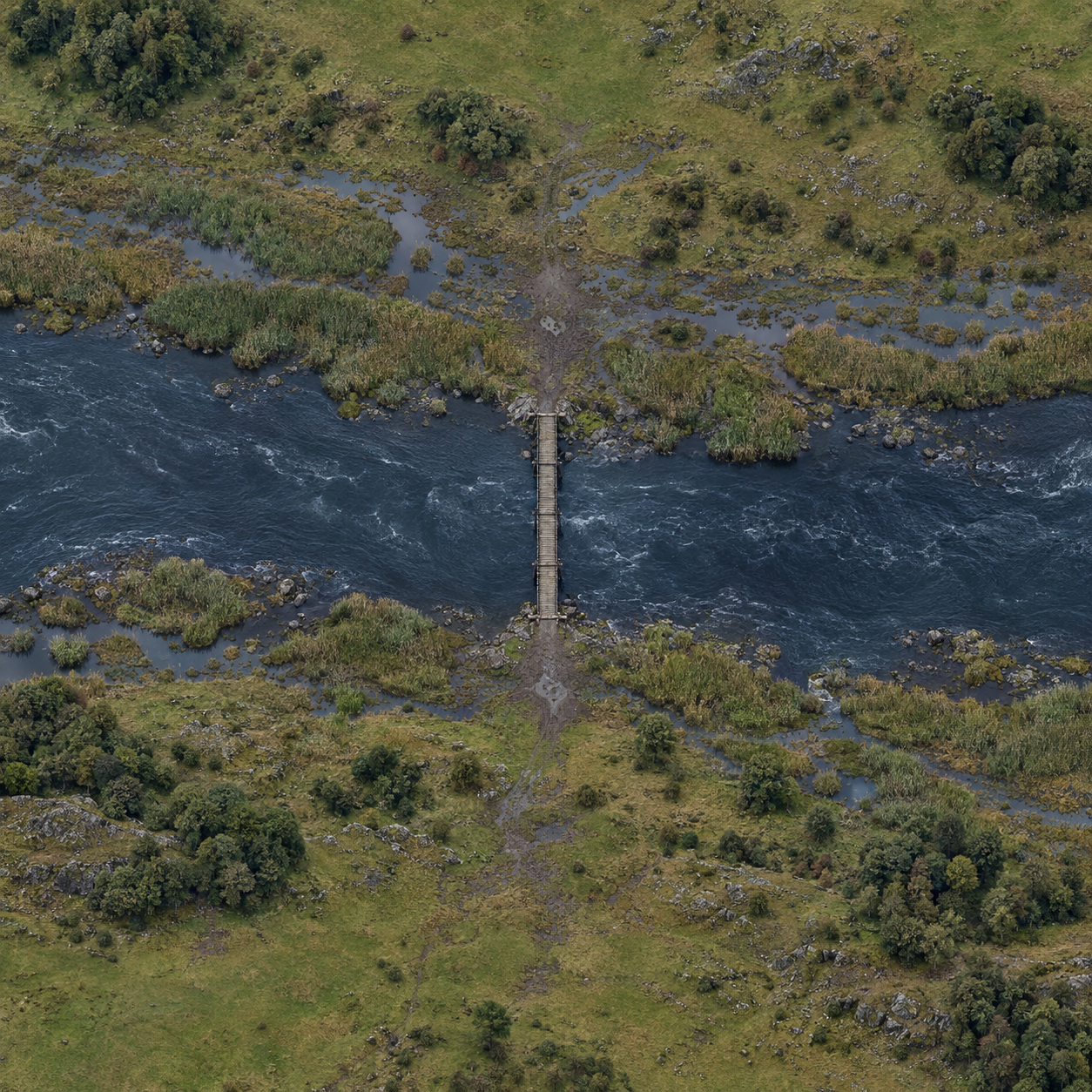
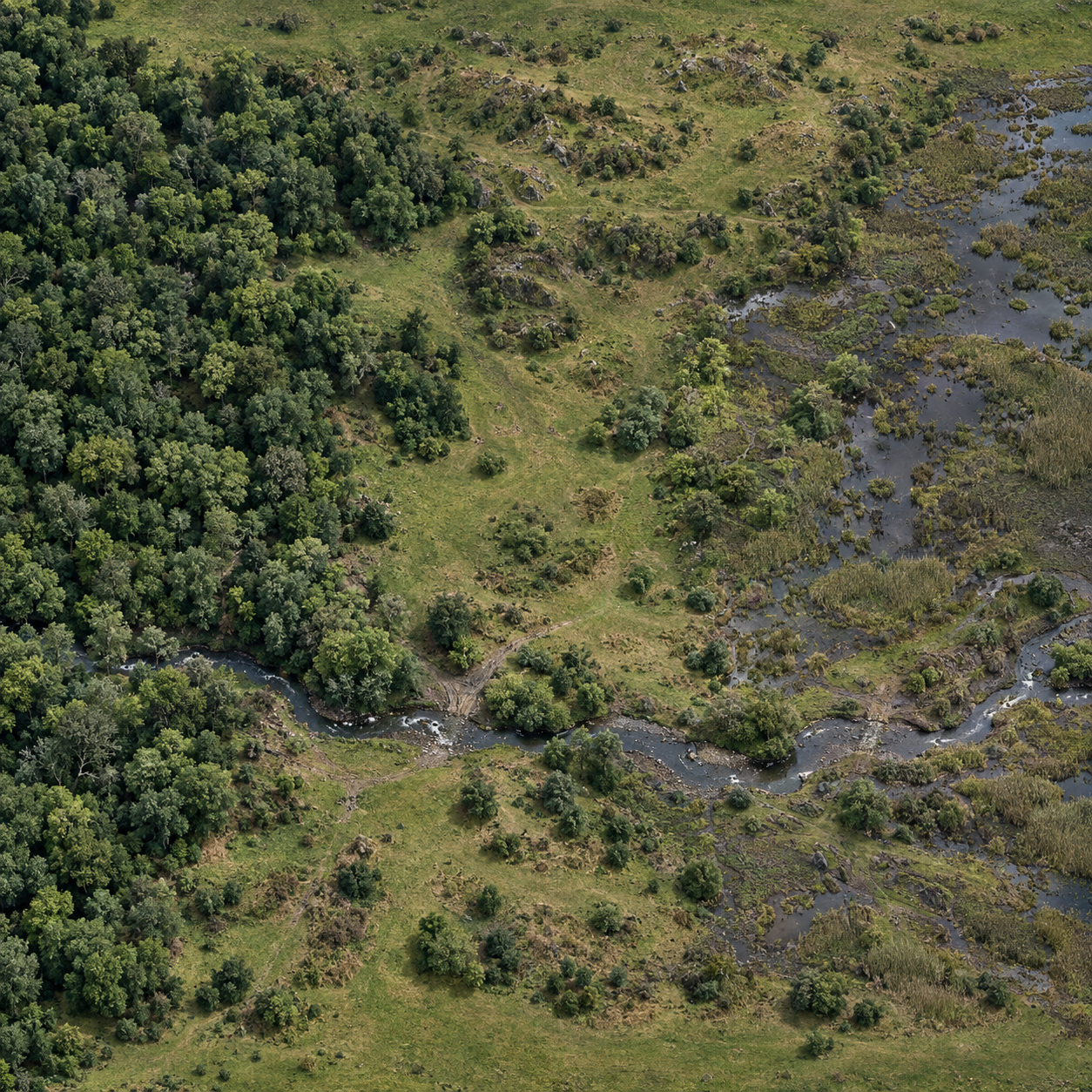
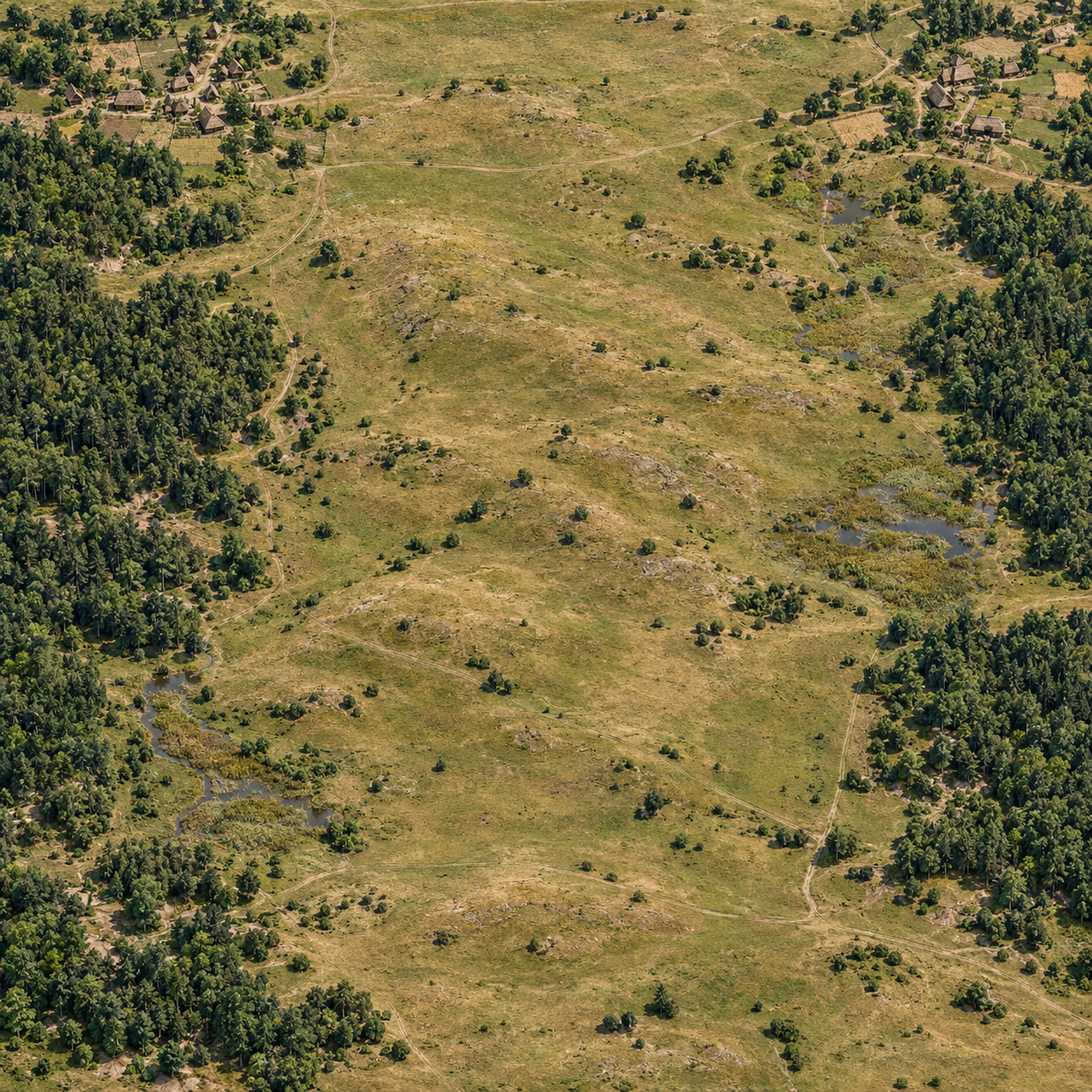
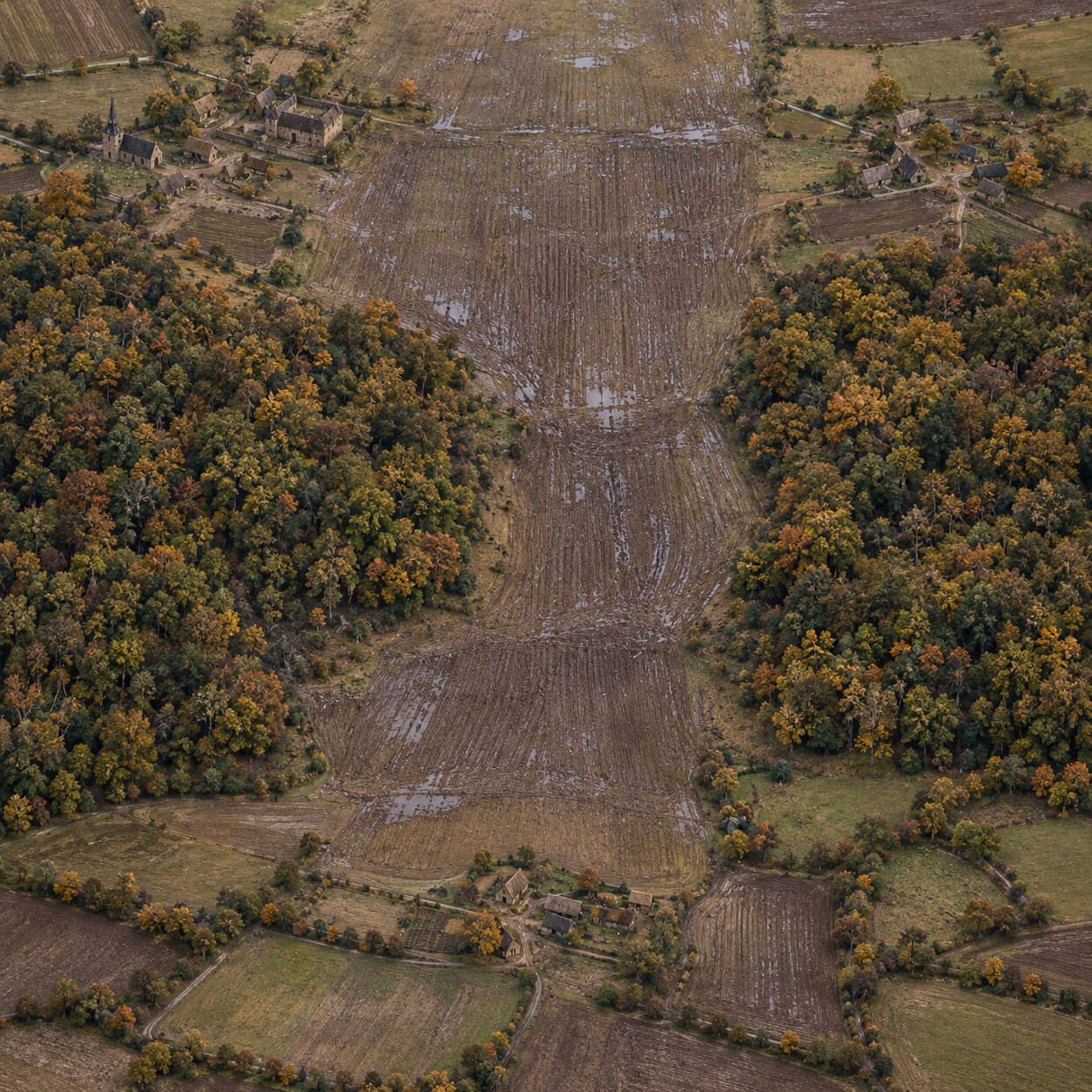
The northern ridge, marsh belt and clear approaches are a game interpretation of the familiar battlefield landscape, not a surveyed reconstruction. You always deploy in the south, so choosing an English army does not automatically place you in Harold’s historical position.
05 / FOLLOW THE EVIDENCE
Historical references
Quotations are short extracts. Attributions identify the account’s date and viewpoint; a contemporary author is not necessarily an eyewitness. References checked 31 October 2026.
- English Heritage — History of Battle Abbey and Battlefield
Modern site history and account of the battle.
- English Heritage — Hastings battlefield report (1995)
Landscape assessment and translated medieval source extracts; Poitiers quotation on p. 2.
Further reading: Hastings 1066 on Seven Swords ↗